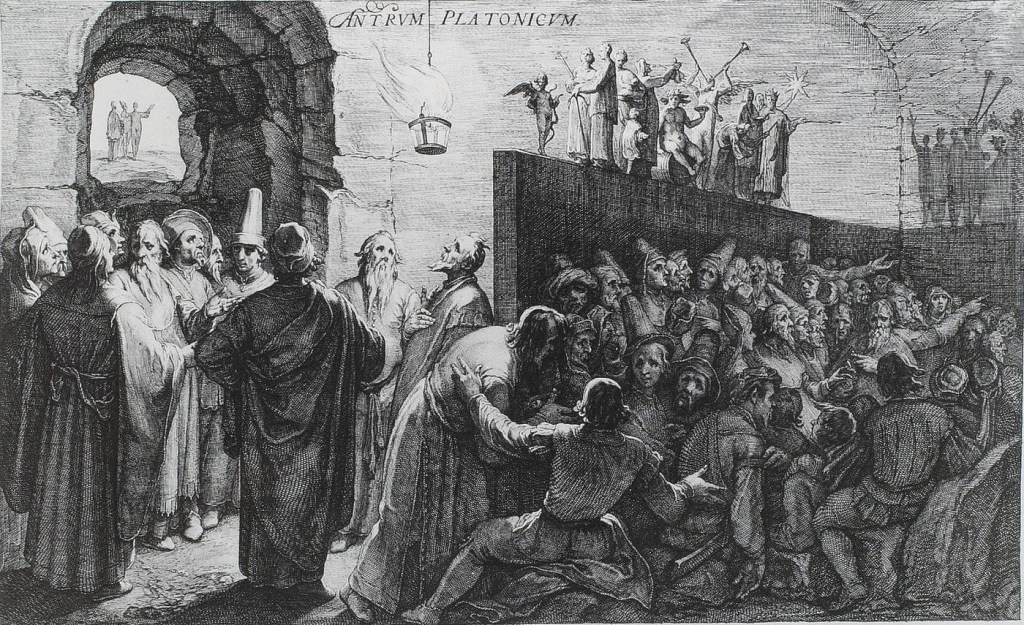
Plato, in his famous allegory of the cave, illustrates a profound truth about human nature and the resistance to enlightenment. The statement, “Plato knew what the cave inhabitants can do to those who claim to know the Sun,” encapsulates the deeper theme of this allegory: the difficulty and danger faced by those who seek and share higher truths in a world dominated by ignorance.
The Allegory of the Cave: A Brief Overview
In The Republic, Plato describes a group of people who have lived their entire lives chained inside a dark cave, facing a blank wall. Behind them, a fire burns, and objects are moved in front of it, casting shadows on the wall. These shadows are all the cave inhabitants have ever known, and to them, the shadows are reality.
One day, a prisoner is freed and dragged out of the cave. For the first time, he sees the world as it truly is: filled with light, color, and the sun. The freed prisoner realizes that the shadows were mere illusions, pale imitations of reality. Eventually, he returns to the cave to share his newfound understanding, only to be met with hostility and disbelief by the others still chained inside. They cannot comprehend or accept that the shadows they’ve known all their lives are not real.
The Sun: A Symbol of Higher Knowledge
In the allegory, the Sun represents the ultimate truth, the highest form of knowledge, or the Form of the Good in Plato’s philosophy. It symbolizes enlightenment, wisdom, and the realization of the true nature of reality beyond appearances and illusions.
For Plato, those who have seen the Sun those who have attained wisdom and understanding hold a responsibility to guide others toward the light. However, this is not an easy task. The inhabitants of the cave, who are accustomed to the shadows, are not only resistant to the truth but also hostile to anyone who threatens their worldview. Plato understood that those who have seen the light, the Sun, are often rejected, mocked, or even persecuted by those who remain in ignorance.
Resistance to Change: The Cave Inhabitants
Plato’s allegory reveals the deep psychological and social resistance people have to questioning their beliefs and the realities they are comfortable with. The cave inhabitants are metaphorically bound by their chains of ignorance, and their perception of reality is limited to the shadows on the wall. When someone like the freed prisoner returns to tell them about the Sun, they don’t want to hear it.
For the cave dwellers, the idea that everything they know is a mere shadow of the truth is unsettling, even threatening. Their entire understanding of the world is built on those shadows, and to acknowledge the Sun’s existence means confronting the fact that they have lived their lives in ignorance. This is not just an intellectual challenge but an emotional one. Humans often resist change, especially when it challenges their long-held beliefs or comforts.
What Happens to Those Who “Know the Sun”?
Plato knew well the danger posed to those who seek to bring enlightenment to others. Throughout history, those who challenge established beliefs or try to introduce new ways of thinking have often been met with fierce opposition. Socrates, Plato’s teacher, was condemned to death for challenging the moral and intellectual status quo in Athens. His fate mirrors that of the freed prisoner in the cave who returns to enlighten his fellow prisoners only to face ridicule or violence.
Those who claim to know the Sun philosophers, visionaries, scientists, or anyone challenging the status quo often find themselves in a precarious position. Their knowledge and insight are not welcomed but viewed as a threat. Whether it’s religious prophets, scientific pioneers like Galileo, or social reformers, history is replete with examples of individuals who were persecuted for their attempts to reveal a deeper truth.
Why the Resistance?
The cave inhabitants’ reaction to the Sun can be understood through several lenses:
1. Fear of the Unknown: Accepting that the shadows are not the whole of reality means confronting the unknown, which is inherently frightening. For the cave dwellers, the world they know is safe and familiar. The idea of stepping outside the cave into the blinding light of the Sun is overwhelming.
2. Cognitive Dissonance: The freed prisoner’s revelations create a cognitive dissonance in the minds of the cave dwellers. They cannot reconcile their deeply held beliefs with this new information. Rather than confront the difficult truth, they reject it and cling to what they know.
3. Threat to Power and Control: In many cases, those who maintain the status quo benefit from the ignorance of others. Those in power may resist enlightenment because it threatens their position. Plato, in his critique of the political and social systems of his time, understood that leaders and rulers may not want their citizens to attain knowledge that could empower them.
The Modern Cave
Plato’s allegory of the cave is timeless, and its relevance extends beyond ancient philosophy. Today, we live in a world where people still cling to their own “caves” of limited knowledge, ideological bubbles, and preconceived notions. Whether it’s in the realm of politics, science, or social issues, people often resist new ideas that challenge their established worldviews.
In this sense, the allegory serves as a warning and a call to action. It reminds us that enlightenment is not easy, and the path to truth is fraught with resistance. Those who seek to bring light into the cave will always face opposition, but the pursuit of truth remains a noble and necessary endeavor.
Plato’s Wisdom
Plato knew all too well the fate of those who “claim to know the Sun.” The philosopher, the seeker of truth, or the individual who has attained wisdom will often be met with disbelief, ridicule, or hostility when they try to share their insights with others. The cave inhabitants, comfortable in their ignorance, will resist the message because it threatens their understanding of reality.
Yet, Plato also believed that it is the duty of those who have seen the light to return to the cave, even at the risk of personal danger. The pursuit of truth and wisdom, while perilous, is the highest calling. It is only through this willingness to challenge the shadows and seek the light that humanity can progress, both individually and collectively.
 Voices in Ink