Avoiding Waterproof and Long-Lasting Mascaras for Dry Eyes: Why It Matters

People with dry eyes often face discomfort in their daily routines, particularly when it comes to using eye makeup. Mascara, a beauty staple, can sometimes exacerbate the symptoms of dry eyes, especially when it’s waterproof or long-lasting. Though these mascaras offer a dramatic, smudge-proof look, they may cause more harm than good for those with sensitive, dry eyes. Here’s why avoiding waterproof and long-lasting mascaras is essential if you struggle with dry eyes.

  1. Waterproof and Long-Lasting Formulas Are Hard to Remove

Waterproof and long-lasting mascaras are designed to be resistant to water, sweat, and tears. While this makes them perfect for long wear, it also means that removing them requires more effort. Often, you’ll need to use strong, oil-based makeup removers and repeatedly rub your eyes to get all the mascara off. For those with dry eyes, this can lead to irritation and worsen dryness, as the fragile skin around the eyes is already prone to dryness and sensitivity.

  1. Harsh Ingredients and Additives

Many waterproof mascaras contain ingredients like silicones, parabens, and other drying agents to achieve their water-resistant properties. These can strip the natural oils from your lashes and even dehydrate the delicate area around the eyes, leading to further irritation for those already dealing with dryness.

  1. Clogging the Meibomian Glands

The meibomian glands in the eyelids produce an essential oily layer that helps prevent tears from evaporating too quickly. When waterproof mascara and other long-lasting products are used, they may clog these glands, worsening dry eye symptoms. Long-wear formulas may also lead to a buildup of product on your lashes, which can accumulate near the base of your eyelids and block these glands over time.

  1. Tear Film Disruption

Dry eyes are often the result of an unstable tear film, which leads to insufficient moisture in the eyes. Waterproof mascaras may contribute to this by creating a barrier that affects the natural tear flow. The thick, waxy layers in these mascaras can interfere with the proper movement of tears across the surface of your eyes, making dryness worse throughout the day.

  1. Increased Sensitivity and Discomfort

For individuals with dry eyes, rubbing and tugging at the lashes can cause significant discomfort. Using waterproof mascaras often leads to the need for more rigorous cleansing techniques. This can lead to inflammation, redness, and further dryness, especially in those who are already sensitive to environmental factors such as wind or air conditioning.

Alternatives for People with Dry Eyes

While waterproof and long-lasting mascaras may not be ideal for those with dry eyes, there are gentler alternatives available:

If you have dry eyes, it’s essential to prioritize your eye health when choosing makeup products. Avoiding waterproof and long-lasting mascaras can help minimize irritation, protect the delicate area around your eyes, and ensure that your tear film remains stable. Instead, seek out gentler, hydrating options to enhance your lashes without causing further discomfort to your dry eyes.

What Happens to Those Who Knows the Sun?

Plato, in his famous allegory of the cave, illustrates a profound truth about human nature and the resistance to enlightenment. The statement, “Plato knew what the cave inhabitants can do to those who claim to know the Sun,” encapsulates the deeper theme of this allegory: the difficulty and danger faced by those who seek and share higher truths in a world dominated by ignorance.

The Allegory of the Cave: A Brief Overview

In The Republic, Plato describes a group of people who have lived their entire lives chained inside a dark cave, facing a blank wall. Behind them, a fire burns, and objects are moved in front of it, casting shadows on the wall. These shadows are all the cave inhabitants have ever known, and to them, the shadows are reality.

One day, a prisoner is freed and dragged out of the cave. For the first time, he sees the world as it truly is: filled with light, color, and the sun. The freed prisoner realizes that the shadows were mere illusions, pale imitations of reality. Eventually, he returns to the cave to share his newfound understanding, only to be met with hostility and disbelief by the others still chained inside. They cannot comprehend or accept that the shadows they’ve known all their lives are not real.

The Sun: A Symbol of Higher Knowledge

In the allegory, the Sun represents the ultimate truth, the highest form of knowledge, or the Form of the Good in Plato’s philosophy. It symbolizes enlightenment, wisdom, and the realization of the true nature of reality beyond appearances and illusions.

For Plato, those who have seen the Sun those who have attained wisdom and understanding hold a responsibility to guide others toward the light. However, this is not an easy task. The inhabitants of the cave, who are accustomed to the shadows, are not only resistant to the truth but also hostile to anyone who threatens their worldview. Plato understood that those who have seen the light, the Sun, are often rejected, mocked, or even persecuted by those who remain in ignorance.

Resistance to Change: The Cave Inhabitants

Plato’s allegory reveals the deep psychological and social resistance people have to questioning their beliefs and the realities they are comfortable with. The cave inhabitants are metaphorically bound by their chains of ignorance, and their perception of reality is limited to the shadows on the wall. When someone like the freed prisoner returns to tell them about the Sun, they don’t want to hear it.

For the cave dwellers, the idea that everything they know is a mere shadow of the truth is unsettling, even threatening. Their entire understanding of the world is built on those shadows, and to acknowledge the Sun’s existence means confronting the fact that they have lived their lives in ignorance. This is not just an intellectual challenge but an emotional one. Humans often resist change, especially when it challenges their long-held beliefs or comforts.

What Happens to Those Who “Know the Sun”?

Plato knew well the danger posed to those who seek to bring enlightenment to others. Throughout history, those who challenge established beliefs or try to introduce new ways of thinking have often been met with fierce opposition. Socrates, Plato’s teacher, was condemned to death for challenging the moral and intellectual status quo in Athens. His fate mirrors that of the freed prisoner in the cave who returns to enlighten his fellow prisoners only to face ridicule or violence.

Those who claim to know the Sun philosophers, visionaries, scientists, or anyone challenging the status quo often find themselves in a precarious position. Their knowledge and insight are not welcomed but viewed as a threat. Whether it’s religious prophets, scientific pioneers like Galileo, or social reformers, history is replete with examples of individuals who were persecuted for their attempts to reveal a deeper truth.

Why the Resistance?

The cave inhabitants’ reaction to the Sun can be understood through several lenses:

1. Fear of the Unknown: Accepting that the shadows are not the whole of reality means confronting the unknown, which is inherently frightening. For the cave dwellers, the world they know is safe and familiar. The idea of stepping outside the cave into the blinding light of the Sun is overwhelming.

2. Cognitive Dissonance: The freed prisoner’s revelations create a cognitive dissonance in the minds of the cave dwellers. They cannot reconcile their deeply held beliefs with this new information. Rather than confront the difficult truth, they reject it and cling to what they know.

3. Threat to Power and Control: In many cases, those who maintain the status quo benefit from the ignorance of others. Those in power may resist enlightenment because it threatens their position. Plato, in his critique of the political and social systems of his time, understood that leaders and rulers may not want their citizens to attain knowledge that could empower them.

The Modern Cave

Plato’s allegory of the cave is timeless, and its relevance extends beyond ancient philosophy. Today, we live in a world where people still cling to their own “caves” of limited knowledge, ideological bubbles, and preconceived notions. Whether it’s in the realm of politics, science, or social issues, people often resist new ideas that challenge their established worldviews.

In this sense, the allegory serves as a warning and a call to action. It reminds us that enlightenment is not easy, and the path to truth is fraught with resistance. Those who seek to bring light into the cave will always face opposition, but the pursuit of truth remains a noble and necessary endeavor.

Plato’s Wisdom

Plato knew all too well the fate of those who “claim to know the Sun.” The philosopher, the seeker of truth, or the individual who has attained wisdom will often be met with disbelief, ridicule, or hostility when they try to share their insights with others. The cave inhabitants, comfortable in their ignorance, will resist the message because it threatens their understanding of reality.

Yet, Plato also believed that it is the duty of those who have seen the light to return to the cave, even at the risk of personal danger. The pursuit of truth and wisdom, while perilous, is the highest calling. It is only through this willingness to challenge the shadows and seek the light that humanity can progress, both individually and collectively.

“The House You’re Born In Determines Your Fate”: A Myth That Holds You Back from Owning Your Life

The idea that “the house you’re born in determines your fate” has been echoed throughout generations. It suggests that the environment, family, and circumstances into which you are born largely shape your future, leaving little room for personal choice or transformation. While it is true that our upbringing plays a significant role in shaping our initial worldview, abilities, and opportunities, this mindset can also become a trap preventing us from taking ownership of our own lives.

In reality, while we may not control the circumstances of our birth, we have the power to influence our destiny through conscious choices, perseverance, and self-awareness. Let’s explore why this statement has some relevance, but also how clinging to it can keep us from reaching our full potential.

1. How the Environment Shapes Our Early Years

There’s no denying that the circumstances of our birth such as family wealth, culture, geography, and societal status can give us either an advantage or a disadvantage in life. A child born into a wealthy household may have access to better education, healthcare, and opportunities that others may not. Conversely, children born into impoverished or unstable households may face significant challenges that shape their early experiences.

Psychologists and sociologists agree that early childhood is crucial for development. Our early environment provides the foundational beliefs we hold about the world, about others, and about ourselves. Children raised in loving, supportive homes are often more confident and secure in their sense of self-worth. Those raised in stressful or dysfunctional environments may struggle with self-esteem and mental health issues later in life.

These early experiences can indeed set the stage for how we approach the world. But here’s where the danger lies: if we accept this narrative too rigidly, we begin to believe that our birth circumstances are the final determinant of our lives.

2. The Trap of Determinism

The belief that your birth environment seals your fate is rooted in a deterministic mindset, where your path is seen as predetermined by factors beyond your control. This belief system can become a self-fulfilling prophecy. If you think that your future is solely shaped by your upbringing, you may be less likely to take proactive steps to change your circumstances or improve yourself.

For example, someone born into poverty might internalize the idea that they are destined to remain poor, simply because they have never seen an alternative reality. If this mindset takes hold, they may never seek out the education, mentorship, or opportunities necessary to break free from their circumstances. The same applies to those born into wealth if they believe their success is inevitable, they might not develop the work ethic or resilience needed to thrive in challenging situations.

This deterministic thinking can also create a sense of helplessness, making it easy to blame external circumstances for failures rather than taking responsibility for one’s actions. While our upbringing undoubtedly shapes us, it’s not the final word on who we become.

3. Taking Ownership: The Power of Choice

One of the most empowering realizations in life is that we are not solely products of our environment—we have the power to choose how we respond to our circumstances. The concept of free will and personal responsibility plays a vital role in breaking away from the narrative that the house you’re born in determines your fate.

Our choices shape our future far more than the circumstances of our birth. Every day, we have the opportunity to make decisions that can either propel us forward or hold us back. By taking ownership of our lives, we can:

Challenge Limiting Beliefs: If you believe that you are stuck because of your upbringing, you can challenge that belief and look for evidence to the contrary. Countless individuals have risen from humble or difficult beginnings to achieve incredible success. Their stories prove that while circumstances may limit your starting point, they don’t define the end result.

Embrace a Growth Mindset: A fixed mindset believing that your abilities, intelligence, and situation are unchangeable keeps you stuck. A growth mindset, on the other hand, encourages continuous learning and improvement. With this mindset, you understand that you can change your skills, mindset, and life through effort and perseverance.

Focus on What You Can Control: You cannot change the family you were born into, but you can control how you respond to that environment. By focusing on self-improvement, education, and building positive relationships, you can shape a future that aligns with your desires rather than being limited by your past.

4. Breaking Free from the Past

Many people feel weighed down by their family history or the socioeconomic conditions they grew up in. However, some of the most remarkable success stories come from individuals who refused to let their past dictate their future. From Oprah Winfrey, who grew up in extreme poverty, to J.K. Rowling, who wrote Harry Potter while facing financial difficulties, these individuals represent the power of resilience, self-belief, and determination.

The common thread in these stories is that, despite their challenging beginnings, they refused to adopt a victim mentality. Instead, they embraced the challenges, learned from their experiences, and made decisions that ultimately changed the course of their lives.

5. Balancing Circumstance with Personal Responsibility

It’s essential to acknowledge that systemic inequalities do exist, and certain individuals may face more significant obstacles due to the circumstances of their birth. Societal factors such as race, gender, and class can impose barriers that some people never encounter. However, while these factors may present real challenges, they don’t take away our capacity for choice.

It’s crucial to balance the understanding that our upbringing affects us with the belief that we are not prisoners of our past. Personal growth, education, and the ability to build new opportunities are within everyone’s reach, even if the path may be more difficult for some.

Taking Control of Your Fate

While the house you are born in may influence your starting point, it doesn’t have to define your destination. Your upbringing can affect how you view the world, but your choices, attitude, and willingness to take ownership of your life are far more significant in determining your future.

By breaking free from the mindset that your fate is sealed by your birth circumstances, you open the door to unlimited potential. You are the author of your own life story. While you can’t control every aspect of the narrative, you can certainly take control of the pen. The sooner you take ownership of your choices, actions, and mindset, the sooner you’ll realize that you and not the house you were born into determine your fate.


The Power of Lyrics: How the Songs We Listen Shapes Our Thoughts and Impacts Our Life

Music is a universal language, transcending borders and connecting people across different cultures. However, it’s not just the melody or rhythm that leaves a lasting impression, it’s the lyrics, the words that carry stories, emotions, and ideas, that deeply shape our thoughts and influence the way we see the world. The songs we choose to listen to can subtly or dramatically impact our mindset, attitudes, and even the course of our lives.

1. Lyrics as Mental Programming

The human brain is wired to absorb repeated information, and song lyrics are no exception. When we listen to a song over and over, its message seeps into our subconscious mind, influencing our thinking patterns. Just like affirmations, song lyrics can either uplift and empower us or, conversely, fuel self-doubt and negativity.

For instance, songs that emphasize resilience and strength such as “Stronger” by Kanye West or “Fight Song” by Rachel Platten reinforce messages of empowerment. When you sing along to such songs, you’re essentially repeating affirmations that encourage perseverance and a positive mindset. Over time, these messages become ingrained in your thought process, influencing how you handle challenges and setbacks.

On the other hand, songs that revolve around themes of heartbreak, betrayal, or anger while cathartic in the moment can also have a negative impact if consumed excessively. If we constantly feed our minds with lyrics about loss, pain, or despair, we may start to adopt a more pessimistic view of relationships or life in general. The songs we listen to act as a form of mental programming, and it’s important to be conscious of the messages we are absorbing.

2. The Influence of Lyrics on Emotional States

Music has the unique ability to evoke powerful emotions. The lyrics of a song can amplify whatever we’re feeling at a given moment. If you’re feeling heartbroken, a song like “Someone Like You” by Adele can tap into that sadness and make you feel as though the singer understands your pain. While this can be therapeutic, allowing us to process difficult emotions, it’s essential to recognize when the music starts reinforcing those emotions to an unhealthy degree.

For instance, if you’re constantly listening to songs about sadness or betrayal, you may find yourself stuck in a loop of negative emotions, even if you’re not consciously aware of it. These lyrics can start to color your worldview, making you more prone to focus on what’s wrong rather than what’s right in your life.

On the flip side, positive, life-affirming lyrics can elevate your mood and shift your emotional state. Songs that speak of hope, love, and possibility can uplift us in times of doubt. Songs like “Happy” by Pharrell Williams or “Unwritten” by Natasha Bedingfield promote feelings of joy and inspiration. The more we listen to music that makes us feel good, the more we can shift our emotional baseline to one of positivity.

3. How Lyrics Shape Our Perception of Relationships

One of the most common themes in music is love, and the way songs portray romantic relationships can shape our beliefs about them. If we frequently listen to songs that romanticize unhealthy relationships filled with toxicity, jealousy, or obsession these ideas can subconsciously influence our expectations in real-life relationships. For example, songs like “Every Breath You Take” by The Police, often interpreted as a love song, can actually reinforce unhealthy ideas about possessiveness.

On the other hand, songs that highlight mutual respect, deep connection, and healthy love can help us set better standards for ourselves and others. Songs like “Just the Way You Are” by Bruno Mars or “All of Me” by John Legend celebrate unconditional love, respect, and admiration in relationships, setting a positive example for what real, lasting love should look like.

4. The Role of Lyrics in Shaping Our Identity

We often turn to music as a form of self-expression, but what we may not realize is that the lyrics of our favorite songs can play a role in shaping our identity. When we repeatedly listen to songs that resonate with us, we start to internalize their messages. These lyrics become part of our self-narrative, influencing how we see ourselves and the world around us.

For example, someone who frequently listens to empowering anthems like “This Is Me” from The Greatest Showman or “Born This Way” by Lady Gaga may begin to feel more confident and self-assured. These songs affirm the importance of embracing individuality, which can lead to a stronger sense of self-worth.

Conversely, if someone is consistently drawn to songs that reflect feelings of inadequacy, loneliness, or self-doubt, these messages can start to shape their self-image. Lyrics like “I’m just a soul whose intentions are good; Oh Lord, please don’t let me be misunderstood” (from Don’t Let Me Be Misunderstood) may reinforce feelings of not being seen or heard, which can impact one’s sense of self over time.

5. Lyrics as a Reflection of Cultural Norms

Music often reflects the values and norms of society, and the lyrics in popular songs can serve as a lens through which we view cultural expectations. Songs that glorify materialism, superficial beauty, or status can push listeners especially younger audiences toward valuing these ideals. For example, many songs in the mainstream pop and hip-hop genres emphasize the pursuit of wealth, power, and fame, potentially influencing listeners to prioritize these values in their own lives.

However, there are also artists who use their lyrics to challenge societal norms, promote activism, or call for change. Songs like “Man in the Mirror” by Michael Jackson or “Where Is the Love?” by The Black Eyed Peas encourage listeners to reflect on societal issues and their role in creating a better world. These kinds of lyrics can inspire positive action and foster a sense of responsibility toward the greater good.

6. Choosing Lyrics That Empower You

Given the profound effect that lyrics can have on our thoughts and lives, it’s important to be mindful of the music we consume. This doesn’t mean you need to eliminate all sad songs from your playlist, but balancing them with music that uplifts, motivates, and empowers you is essential for maintaining a healthy mindset.

Create a Playlist for Every Mood: Curate playlists that suit different emotional states. When you’re feeling down, have a go-to playlist filled with uplifting, positive songs that can shift your mood. When you need to focus, choose music with lyrics that promote clarity and productivity.

Be Mindful of Repetition: Be aware of the songs you listen to on repeat. If you find yourself consistently drawn to songs with negative or destructive themes, it may be time to diversify your music choices.

Choose Lyrics That Reflect Your Aspirations: Fill your playlists with songs that reflect the person you want to be and the life you want to create. Lyrics that promote confidence, growth, and resilience can serve as daily reminders of your potential.

In conclusion, the songs we listen to, and more specifically the lyrics within them, have a powerful impact on our thoughts, emotions, and behaviors. Music is a form of mental conditioning, shaping how we see ourselves, others, and the world around us. By being more conscious of the lyrics we consume, we can choose music that empowers us, fuels positive thinking, and aligns with the values and goals we want to cultivate in our lives. Music is not just entertainment it’s a tool for shaping our reality. Let it be a soundtrack that propels you toward a more empowered and fulfilled life.

“Simple daily hand exercises may promote breast enhancement.”

Natural Chest Enhancement for Women Looking for Non-Invasive Methods

Are you looking for a natural way to enhance your breasts without surgery, expensive creams, or supplements? It may come as a surprise, but incorporating simple daily hand and upper body exercises into your routine can help firm, lift, and enhance the appearance of your breasts. While these exercises don’t directly increase breast size, they do strengthen the muscles underneath, providing a fuller and more lifted look. With dedication, the results can be quite impressive.

Understanding the Science Behind Chest Exercises

First, it’s essential to understand that breasts are primarily composed of fat, glandular tissue, and connective tissue not muscle. However, underneath the breast tissue lies a muscle group called the pectorals. Strengthening and toning these muscles can lift and firm the chest area, improving the overall appearance of the bust. These exercises target the chest, shoulders, and arms, which help with posture, making your bust look more lifted and pronounced.

The key lies in consistency and focusing on exercises that engage the upper body and chest muscles. Hand exercises, along with other simple upper body movements, can tone and define the pectoral muscles, offering a naturally enhanced look without the need for invasive methods.

3 Simple Daily Hand Exercises for Breast Enhancement

Here are a few easy exercises that you can incorporate into your daily routine to help lift and tone your chest:

1. Palm Press (Prayer Pose)

This is one of the easiest hand exercises you can do anywhere:

• Sit or stand with your back straight and palms pressed together in front of your chest (in a prayer pose).

• Push your palms together as hard as you can, activating your chest muscles.

• Hold the press for 10-15 seconds, relax, and repeat 10-15 times.

This exercise strengthens the pectoral muscles, helping to lift and firm your chest naturally.

2. Chest Squeeze with a Ball

For this exercise, you’ll need a small ball or pillow:

• Hold the ball in front of your chest with both hands.

• Squeeze the ball as hard as you can, activating your chest muscles.

• Hold for 5 seconds, then release. Repeat 10-15 times.

This movement helps to engage your upper chest and pectorals, improving muscle tone and firmness.

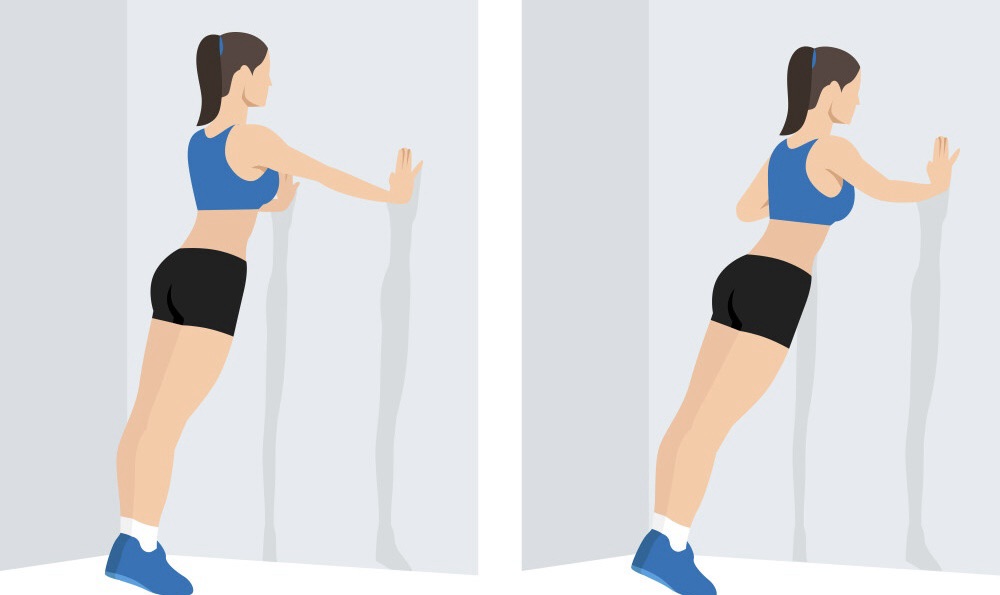
3. Wall Push-Ups

This is a modified push-up that works your chest, arms, and shoulders:

• Stand facing a wall with your palms flat against it, shoulder-width apart.

• Step back slightly, then lean towards the wall, bending your elbows.

• Push yourself back to the starting position. Repeat 10-20 times.

Wall push-ups target the chest muscles while being gentle on the joints, making them an excellent choice for beginners or those looking for a low-impact exercise.

The Results: What to Expect

With consistency, these exercises can help to firm and lift your chest muscles, giving your bust a more toned and defined appearance. Most women notice improvements in their posture, chest firmness, and overall confidence within weeks. While these exercises won’t change the size of your breast tissue, they can offer a natural, non-invasive way to enhance your bust by toning the muscles underneath.

Additional Tips for Success

Stay consistent: Like any fitness routine, results take time and regular practice. Aim to do these exercises at least 5 days a week.

Maintain proper posture: Good posture makes a big difference in how your chest looks. Keep your shoulders back and spine straight to accentuate your natural bust line.

Support your efforts with a healthy diet: A balanced diet that includes protein, healthy fats, and hydration will complement your workout routine and support muscle health.

To sum up, if you’re looking for a simple, natural way to enhance your chest without surgery or other invasive methods, incorporating daily hand and upper body exercises can be a game-changer. These exercises are easy to do, require minimal equipment, and can help you achieve a more lifted and defined bust in just a few weeks. So why not give them a try? You’ll be amazed by the results!

“Men in 2024 Who Neglect to Provide for and Take Responsibility for Their Families” A Growing Concern

In 2024, the traditional roles of men as providers and protectors of their families continue to evolve. While society has embraced progressive shifts in gender roles, there remains an alarming trend of men who refuse to take responsibility for their families, neglecting both their financial and emotional duties. This issue affects not only the immediate family but also contributes to wider social and economic challenges.

1. Impact on Family Structure and Stability

A father who avoids his duties as a provider may leave the entire financial burden on the mother, leading to increased stress and tension within the household, which can negatively impact children’s upbringing and emotional well-being.

2. Rise in Financial Strain and Economic Pressure

• A man’s refusal to provide financially not only affects the family’s livelihood but also increases the economic pressure on society at large. Single-income households, particularly where women are forced to take on multiple jobs or roles, are often more vulnerable to poverty and economic instability.

In cases where the father neglects financial responsibility, the mother may struggle to cover basic needs like housing, education, and healthcare, creating a ripple effect of financial strain that can impact future generations.

3. Negative Impact on Children’s Development

• Children need both financial and emotional support from their parents to thrive. When a father refuses to be responsible, children may grow up with feelings of abandonment, low self-esteem, or anxiety. This can affect their academic performance, social relationships, and emotional development.

A child growing up in a home where the father refuses to take responsibility may lack the emotional guidance and stability they need, which can lead to behavioral issues, difficulty forming relationships, or a skewed view of gender roles and family dynamics.

4. Shifting Gender Roles and Expectations

• While modern gender roles are becoming more flexible, with women increasingly participating in the workforce, the refusal of men to provide still creates an imbalance. The expectation for men to contribute to the household whether financially, emotionally, or through shared responsibilities remains a key part of maintaining an equitable partnership.

In households where men deliberately shirk their responsibilities, women often feel overburdened, carrying both the traditional “female” roles of caregiving and household management along with the male role of providing.

5. Emotional and Mental Health Consequences

A man’s refusal to take responsibility for his family can lead to long-term emotional and mental health challenges for his partner and children. Women left to manage everything on their own may experience higher rates of depression, anxiety, and burnout, while children may grow up feeling neglected or unsupported.

Example: A wife who has to constantly compensate for her husband’s lack of support may suffer from feelings of isolation, resentment, and mental exhaustion, impacting her health and the overall harmony of the family.

6. Undermining the Concept of Partnership in Marriage

• Marriage is a partnership that relies on mutual contribution and support. When one partner refuses to uphold their end of the deal, it creates an imbalance in the relationship that can lead to conflict and, eventually, separation or divorce.

A marriage where the husband refuses to provide or take responsibility is more likely to end in divorce, as the wife may eventually feel that the emotional and financial strain is too much to bear, leaving her to seek a healthier environment for herself and her children.

7. Cultural and Social Expectations

• In many cultures, men are still expected to be the primary breadwinners, even as gender roles evolve. A man who refuses to provide for his family may be seen as failing his traditional duty, leading to social stigma, strained relationships, and loss of respect within his community.

In certain regions, a man’s refusal to provide may lead to societal shame for his family, particularly if they must rely on external support systems like welfare or charity to survive.

8. The Impact of Personal Choices and Lifestyle

• Some men refuse to take responsibility due to personal lifestyle choices, such as prioritizing leisure, addictions, or personal freedom over the needs of their families. This selfish behavior not only impacts the family’s financial situation but also sets a poor example for the children, teaching them unhealthy priorities.

A father who spends his money on gambling or other personal pursuits instead of supporting his household may force the family to live in financial hardship, potentially causing long-term damage to their well-being.

9. Increased Reliance on External Support Systems

• When men refuse to provide, many families are forced to rely on government assistance, charities, or extended family members to make ends meet. This increases the burden on social systems and can perpetuate cycles of dependency and poverty.

A family abandoned by an irresponsible father may require government aid, school lunch programs, or housing assistance, placing additional pressure on societal resources that could otherwise be allocated elsewhere.

10. The Role of Accountability and Consequences

• There is a growing need for societal structures that hold men accountable for their responsibilities as fathers and partners. Legal frameworks that enforce child support and family obligations are crucial in addressing this issue. Men who refuse to provide should face consequences that ensure the well-being of their families.

Governments around the world, including in countries like the UAE or the US, have implemented child support laws that compel absent fathers to contribute financially, providing a safety net for children who would otherwise be neglected.

The refusal of men in 2024 to provide and take responsibility for their families is a significant issue that affects families on both a personal and societal level. From financial instability to emotional harm and strained relationships, the consequences of this neglect are far-reaching. As gender roles continue to

Hair Growth Benefits of Wearing Hijab/Head Scarf

Wearing a hijab or hair scarf is not only a spiritual or cultural practice for many women, but it also brings several physical benefits, particularly when it comes to hair health and growth. Covering the hair regularly can help protect it from environmental stressors, reduce damage, and support healthier hair growth in the long run. Below are some key hair growth benefits of wearing a hijab or hair scarf:

1. Protection from Environmental Damage

Key Benefit: Hair is vulnerable to environmental damage from exposure to harsh elements like UV rays, dust, wind, and pollution. These can weaken hair strands, cause breakage, and stunt hair growth. Wearing a hijab shields the hair from such damage, preserving its strength and vitality.

• Women who live in hot, sunny climates or areas with high pollution, like many parts of the Middle East, find that their hair stays softer and less brittle when consistently covered.

2. Reduced Exposure to Harmful UV Rays

Key Benefit: UV rays can be particularly harmful to hair, causing it to become dry, brittle, and prone to split ends. By wearing a hijab or scarf, the hair is shielded from the sun’s harmful effects, which can lead to healthier hair and prevent the weakening of hair strands that often leads to breakage.

• Over time, UV protection helps maintain hair’s natural moisture and elasticity, which supports stronger hair growth.

3. Less Frequent Styling = Less Damage

Key Benefit: Constant heat styling, chemical treatments, and excessive brushing can weaken hair and hinder growth. Wearing a hijab or hair scarf reduces the need for frequent styling, thereby minimizing heat exposure, harsh chemicals, and mechanical stress on the hair.

• Women who regularly wear a hijab tend to notice fewer split ends and less breakage, as they avoid daily heat styling tools like curling irons and blow dryers.

4. Reduced Hair Breakage

Key Benefit: Hair that is left uncovered is more prone to getting tangled, leading to breakage, especially in windy conditions. Wearing a hijab or scarf keeps the hair in place, reducing the likelihood of tangling and breakage.

• When hair is protected under a scarf, especially with a silk or satin inner layer, it experiences less friction, which helps prevent split ends and breakage, promoting better hair growth.

5. Retention of Hair’s Natural Oils

Key Benefit: Natural scalp oils are essential for healthy hair growth. However, when the hair is exposed to wind, dry air, or harsh conditions, these oils can dissipate, leaving the hair dry and prone to breakage. A hijab helps retain the scalp’s natural oils, ensuring that the hair stays moisturized and nourished.

Example: Women who wear a hijab often find that their hair feels softer and shinier because the scarf acts as a protective barrier, keeping the scalp’s oils where they are most needed.

6. Encourages a Healthy Hair Care Routine

Key Benefit: Wearing a hijab can encourage women to adopt more gentle, less damaging hair care practices. Since hair is less exposed, women may opt for less frequent washing, which helps avoid stripping the hair of its natural oils. This can promote a healthier scalp environment, which is crucial for hair growth.

• Women who wear hijabs may also invest in quality scalp care, such as using hydrating oils or scalp massages, to promote circulation and hair growth.

7. Protection from Harsh Weather

Key Benefit: Cold winds, rain, and humidity can all negatively impact hair health, leading to frizz, dryness, and damage. A hijab offers protection from these elements, preserving the hair’s moisture and natural texture, ultimately promoting stronger hair growth.

• During cold winters or rainy seasons, wearing a scarf helps protect the hair from the elements that can strip it of moisture and slow down growth.

8. Reduced Exposure to Hair Care Products

Key Benefit: Many hair care products, such as sprays, gels, and dyes, can contain harsh chemicals that damage hair over time. Since hair is covered, women who wear a hijab or scarf tend to use fewer styling products, allowing the hair to maintain its natural state, free from chemical buildup.

• By reducing reliance on heavy products, women can minimize scalp irritation and product residue, which can clog hair follicles and stunt growth.

9. Promotes a Healthier Scalp Environment

Key Benefit: A healthy scalp is the foundation of strong, healthy hair growth. Wearing a hijab can help maintain a balanced scalp environment by preventing overexposure to pollutants and other irritants that can lead to scalp issues like dandruff or inflammation, which can hinder hair growth.

• A woman who covers her hair regularly can maintain a cleaner, calmer scalp, free from the irritation caused by dust or harsh environmental conditions.

10. Mental and Physical Relaxation for Hair

• Wearing a hijab can provide a sense of relaxation for the hair, giving it a break from the stresses of daily styling and exposure to damaging conditions. This allows hair to “rest” and grow stronger, without being constantly manipulated.

• Just as a plant grows best in a protected, nurturing environment, hair that is consistently shielded and handled gently has the potential to grow healthier and stronger.

Wearing a hijab or hair scarf brings multiple hair growth benefits by protecting the hair from environmental damage, reducing breakage, and promoting healthier hair care routines. Whether it’s shielding hair from harmful UV rays, protecting against harsh weather, or encouraging the retention of natural oils, covering the hair can significantly enhance its overall health. For women looking to boost hair growth while honoring their religious or cultural practices, the hijab offers both spiritual fulfillment and a pathway to healthier, stronger hair.

“The Benefits of Having Multiple Income Sources as a Woman in the UAE in 2024”

The United Arab Emirates (UAE) is known for its progressive economic growth and evolving opportunities for women. In 2024, more women in the UAE are embracing the concept of double income sources, whether through a combination of traditional jobs, entrepreneurship, freelancing, or investments. This diversification of income is not only financially rewarding but also socially empowering in a region that continues to support women’s advancement.

Here are the key benefits of having double income sources as a woman in the UAE:

1. Financial Independence and Security

Key Benefit: With rising living costs in cities like Dubai and Abu Dhabi, having two income sources provides financial independence and security. Women with multiple income streams can manage household expenses, invest in long-term savings, and take control of their financial futures without depending on a single income.

Example: A woman working full-time in corporate banking may also run an online consultancy or invest in rental properties, ensuring financial security even if one source faces fluctuations.

2. Flexibility and Work-Life Balance

Key Benefit: In the UAE, where family commitments are highly valued, having dual income sources especially through flexible freelance or entrepreneurial ventures offers women the opportunity to manage their personal and professional lives more effectively.

Example: A woman might work a traditional 9-to-5 job but run a small online business on the side, which allows her to work from home or manage her time around family responsibilities.

3. Support for Personal Growth and Education

Key Benefit: Double income streams give women the financial capacity to invest in their personal growth, whether through further education, skills development, or travel. In the UAE, where professional growth is highly encouraged, women with additional income sources can take courses, attend international conferences, or invest in certifications that enhance their career prospects.

Example: A woman may work in real estate during the day but use her side business income to enroll in an executive MBA program to further her career.

4. Resilience in a Competitive Job Market

Key Benefit: The UAE has a competitive job market, especially in sectors like finance, technology, and retail. Having multiple income sources ensures that women are not overly reliant on one job. In case of layoffs, company restructuring, or economic downturns, their secondary income stream provides a buffer.

Example: A woman working in the tourism industry, which can be volatile, might also run an e-commerce business selling handmade crafts, ensuring that if one income stream slows down, she still has financial support from the other.

5. Opportunities for Entrepreneurship

Key Benefit: The UAE government actively encourages entrepreneurship, especially for women, offering various grants, incubators, and incentives. Women can use a secondary income source to fund a passion project, build a business, or start a freelance career, taking advantage of these initiatives.

Example: A woman employed in the hospitality industry may use her savings from a side gig to start a catering business, leveraging the UAE’s thriving event management and food sector.

6. Wealth Building and Investment Opportunities

Key Benefit: In a country like the UAE, where there are significant opportunities for real estate investment and business expansion, having two income streams allows women to diversify their investments. This can lead to faster wealth accumulation and a stronger financial portfolio.

Example: A woman may hold a corporate job while also investing in UAE real estate, using her dual incomes to buy and rent out properties in high-demand areas like Dubai Marina or Abu Dhabi’s Al Reem Island.

7. Mitigating Gender Pay Gaps

Key Benefit: While the UAE has made significant progress in promoting gender equality in the workplace, challenges such as the gender pay gap still exist in certain industries. Having a secondary income source can help women bridge this gap and ensure that they are fairly compensated for their skills and efforts.

Example: A woman working in tech, where men may earn higher salaries on average, could supplement her income by offering freelance web development services, allowing her to control her earnings more directly.

8. Empowerment Through Multiple Roles

Key Benefit: Multiple income streams empower women to take on various roles and explore different industries or fields of interest. This not only leads to personal fulfillment but also builds a more diverse skill set that enhances future career opportunities.

Example: A woman may work as an HR manager during the week and run a side business as a fitness coach on the weekends, combining her passion for health with her professional skills.

9. Increased Opportunities for Philanthropy and Social Impact

Key Benefit: Women in the UAE are increasingly taking on philanthropic roles, supporting causes that align with their values. With two income sources, women can allocate more resources toward charitable contributions, support community initiatives, or even start their own non-profit organizations.

Example: A woman working as a lawyer may use her second income source from freelance writing to donate to causes such as wildlife conservation, women’s education, or animal shelters in the UAE.

10. Freedom to Pursue Personal Passions

Key Benefit: Having double income streams allows women to pursue passions that may not be immediately lucrative but bring long-term fulfillment. In a country like the UAE, where innovation and creativity are highly encouraged, having financial freedom allows women to explore new ideas without the pressure of immediate financial returns.

Example: A woman employed in finance might also pursue her love for fashion by launching a small online clothing boutique, using the extra income to expand her brand over time.

11. Enhanced Ability to Support Family and Children

Key Benefit: For women in the UAE, having two income sources means greater financial support for their families, whether for children’s education, household expenses, or caring for elderly relatives. This is especially beneficial in a culture that values strong family ties and responsibilities.

Example: A woman working full-time in education could earn additional income through tutoring or online courses, providing extra funds for her children’s private schooling or extracurricular activities.

12. Contribution to National Development Goals

Key Benefit: The UAE’s Vision 2030 emphasizes women’s empowerment and entrepreneurship. Women with double income streams contribute to the UAE’s national goals of economic diversification, innovation, and gender equality, reinforcing their roles as leaders in the country’s development.

Example: A woman working in the energy sector may also start a side business in sustainable fashion, aligning with the UAE’s goals of environmental sustainability and economic progress.

In 2024, having multiple income sources as a woman in the UAE is not just about financial gain it’s about independence, flexibility, and long-term security. Whether through a combination of employment and entrepreneurship, freelance work, or investment opportunities, double income streams offer women the freedom to pursue their ambitions, support their families, and contribute meaningfully to the country’s evolving economy. As the UAE continues to champion gender equality and innovation, women with diversified incomes will be at the forefront of the nation’s progress, empowering themselves and others along the way.