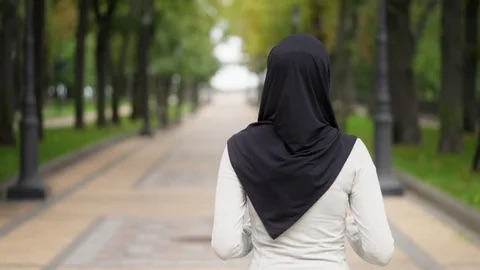
Wearing a hijab or hair scarf is not only a spiritual or cultural practice for many women, but it also brings several physical benefits, particularly when it comes to hair health and growth. Covering the hair regularly can help protect it from environmental stressors, reduce damage, and support healthier hair growth in the long run. Below are some key hair growth benefits of wearing a hijab or hair scarf:
1. Protection from Environmental Damage
• Key Benefit: Hair is vulnerable to environmental damage from exposure to harsh elements like UV rays, dust, wind, and pollution. These can weaken hair strands, cause breakage, and stunt hair growth. Wearing a hijab shields the hair from such damage, preserving its strength and vitality.
• Women who live in hot, sunny climates or areas with high pollution, like many parts of the Middle East, find that their hair stays softer and less brittle when consistently covered.
2. Reduced Exposure to Harmful UV Rays
• Key Benefit: UV rays can be particularly harmful to hair, causing it to become dry, brittle, and prone to split ends. By wearing a hijab or scarf, the hair is shielded from the sun’s harmful effects, which can lead to healthier hair and prevent the weakening of hair strands that often leads to breakage.
• Over time, UV protection helps maintain hair’s natural moisture and elasticity, which supports stronger hair growth.
3. Less Frequent Styling = Less Damage
• Key Benefit: Constant heat styling, chemical treatments, and excessive brushing can weaken hair and hinder growth. Wearing a hijab or hair scarf reduces the need for frequent styling, thereby minimizing heat exposure, harsh chemicals, and mechanical stress on the hair.
• Women who regularly wear a hijab tend to notice fewer split ends and less breakage, as they avoid daily heat styling tools like curling irons and blow dryers.
4. Reduced Hair Breakage
• Key Benefit: Hair that is left uncovered is more prone to getting tangled, leading to breakage, especially in windy conditions. Wearing a hijab or scarf keeps the hair in place, reducing the likelihood of tangling and breakage.
• When hair is protected under a scarf, especially with a silk or satin inner layer, it experiences less friction, which helps prevent split ends and breakage, promoting better hair growth.
5. Retention of Hair’s Natural Oils
• Key Benefit: Natural scalp oils are essential for healthy hair growth. However, when the hair is exposed to wind, dry air, or harsh conditions, these oils can dissipate, leaving the hair dry and prone to breakage. A hijab helps retain the scalp’s natural oils, ensuring that the hair stays moisturized and nourished.
• Example: Women who wear a hijab often find that their hair feels softer and shinier because the scarf acts as a protective barrier, keeping the scalp’s oils where they are most needed.
6. Encourages a Healthy Hair Care Routine
• Key Benefit: Wearing a hijab can encourage women to adopt more gentle, less damaging hair care practices. Since hair is less exposed, women may opt for less frequent washing, which helps avoid stripping the hair of its natural oils. This can promote a healthier scalp environment, which is crucial for hair growth.
• Women who wear hijabs may also invest in quality scalp care, such as using hydrating oils or scalp massages, to promote circulation and hair growth.
7. Protection from Harsh Weather
• Key Benefit: Cold winds, rain, and humidity can all negatively impact hair health, leading to frizz, dryness, and damage. A hijab offers protection from these elements, preserving the hair’s moisture and natural texture, ultimately promoting stronger hair growth.
• During cold winters or rainy seasons, wearing a scarf helps protect the hair from the elements that can strip it of moisture and slow down growth.
8. Reduced Exposure to Hair Care Products
• Key Benefit: Many hair care products, such as sprays, gels, and dyes, can contain harsh chemicals that damage hair over time. Since hair is covered, women who wear a hijab or scarf tend to use fewer styling products, allowing the hair to maintain its natural state, free from chemical buildup.
• By reducing reliance on heavy products, women can minimize scalp irritation and product residue, which can clog hair follicles and stunt growth.
9. Promotes a Healthier Scalp Environment
• Key Benefit: A healthy scalp is the foundation of strong, healthy hair growth. Wearing a hijab can help maintain a balanced scalp environment by preventing overexposure to pollutants and other irritants that can lead to scalp issues like dandruff or inflammation, which can hinder hair growth.
• A woman who covers her hair regularly can maintain a cleaner, calmer scalp, free from the irritation caused by dust or harsh environmental conditions.
10. Mental and Physical Relaxation for Hair
• Wearing a hijab can provide a sense of relaxation for the hair, giving it a break from the stresses of daily styling and exposure to damaging conditions. This allows hair to “rest” and grow stronger, without being constantly manipulated.
• Just as a plant grows best in a protected, nurturing environment, hair that is consistently shielded and handled gently has the potential to grow healthier and stronger.
Wearing a hijab or hair scarf brings multiple hair growth benefits by protecting the hair from environmental damage, reducing breakage, and promoting healthier hair care routines. Whether it’s shielding hair from harmful UV rays, protecting against harsh weather, or encouraging the retention of natural oils, covering the hair can significantly enhance its overall health. For women looking to boost hair growth while honoring their religious or cultural practices, the hijab offers both spiritual fulfillment and a pathway to healthier, stronger hair.
 Voices in Ink