The Story Behind the Stories: The Journey of Ruhiya Rahimova

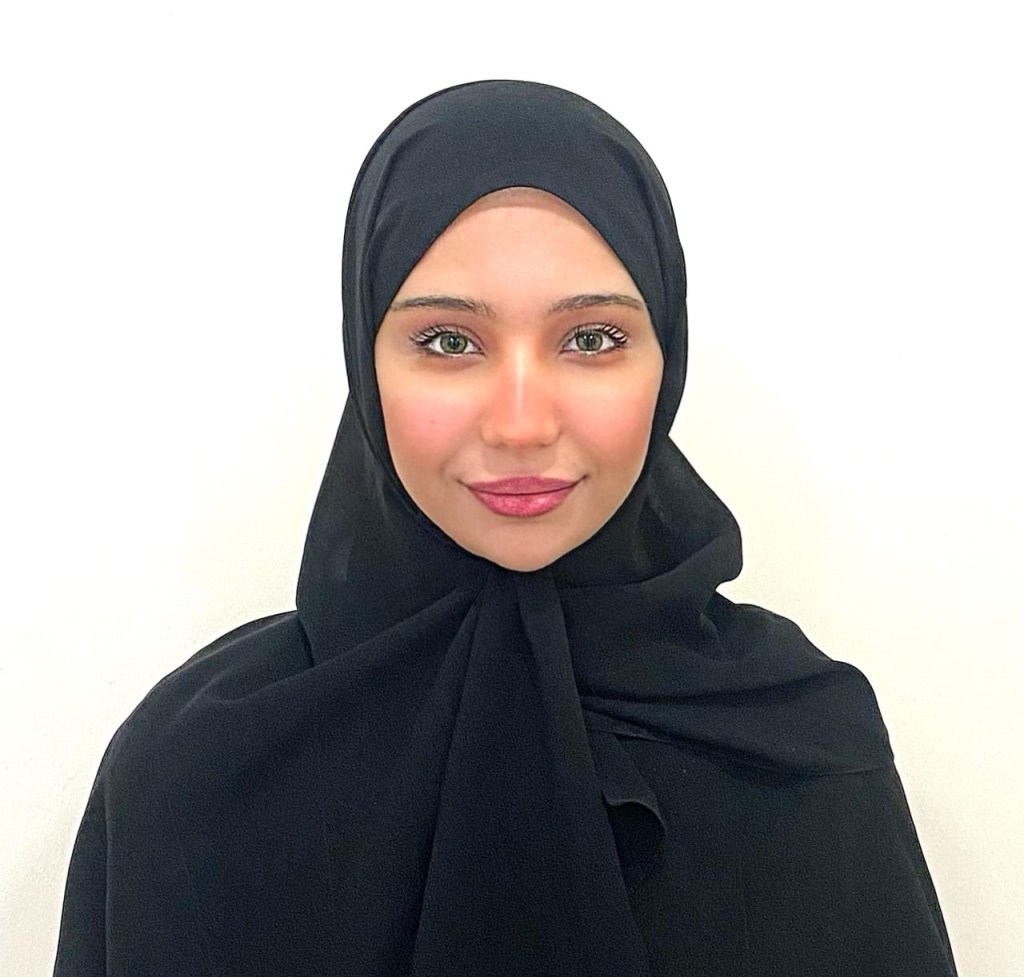
Ruhiya Rahimova is a writer based in the United Arab Emirates, whose work bridges emotion, psychology, and storytelling. Her journey as a writer began with a simple question that continues to define her creative path: “Why do people do what they do?”

This deep curiosity about human nature and emotional truth has guided every story she tells whether it is a heartfelt novel or a poetic children’s book.

Early Life and Education

Ruhiya studied at the American University in the Emirates, where she developed a profound interest in psychology, literature, and cultural identity. Her years in the UAE, an environment rich in diversity and global encounters shaped her worldview and her voice as a writer.

Living in Dubai allowed her to see how people from different walks of life experience love, loss, hope, and resilience in unique ways. This daily exposure to real human emotions later became the foundation of her storytelling style: honest, introspective, and deeply human.

Career and Inspiration

Before dedicating herself fully to writing, Ruhiya worked in the aviation industry, where she met people from every corner of the world. Each encounter became a quiet study of personality, emotion, and behavior a living classroom of psychology and empathy.

Through her career and her curiosity, she learned that every person carries an untold story, and it is through writing that she seeks to uncover these hidden layers of the human soul.

Her Debut Novel – My Mother Is Among Us

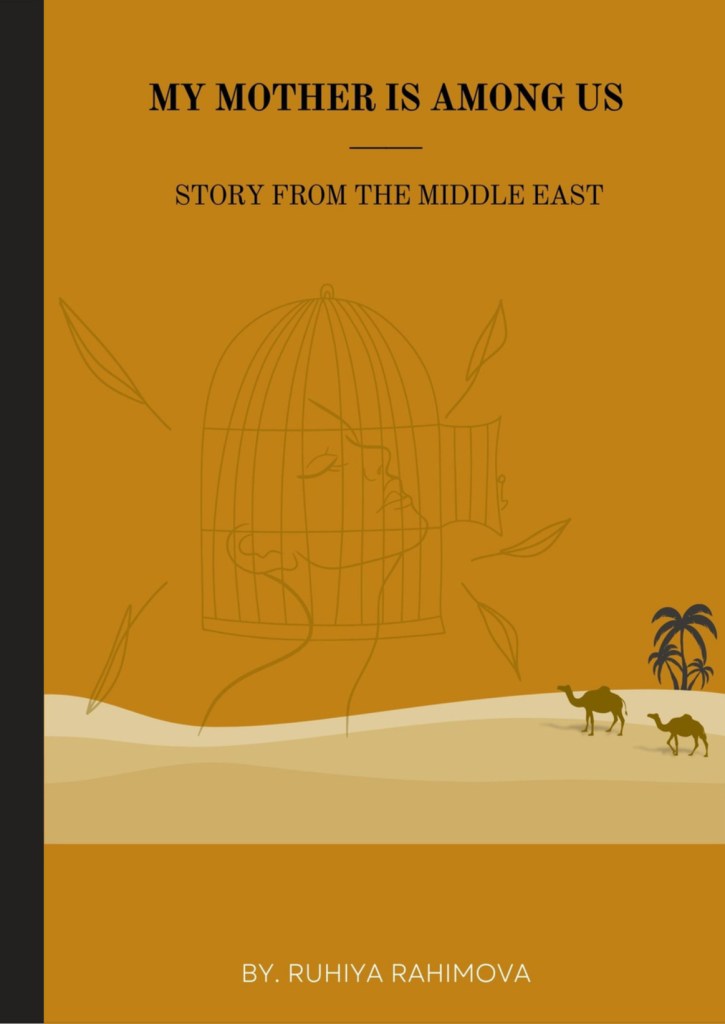
Ruhiya’s first novel, My Mother Is Among Us – Story from the Middle East, is a deeply emotional and psychological exploration of family bonds, generational wounds, and resilience.

Set against the backdrop of Middle Eastern culture and emotional struggle, the book delves into the darkness hidden behind love, silence, and tradition.

It reveals how unspoken pain passes through generations and how truth and compassion can transform that pain into healing.

At its heart, My mother is among us is not just a family story, but a mirror to the reader’s own search for meaning, forgiveness, and belonging.

📘 Where to Find the Book:

Amazon: My mother is among us

Her Second Book – Your Emirati ABC

In contrast to the emotional weight of her first novel, Ruhiya’s second book, Your Emirati ABC, celebrates language, creativity, and culture.

It is a beautifully illustrated children’s book that introduces readers to Emirati culture through the alphabet each letter revealing a word, a tradition, or a story unique to the UAE.

The book reflects Ruhiya’s admiration for the country that shaped her education, career, and artistic voice. It stands as a bridge between learning and culture, teaching children that every word carries history and heart.

📘 Where to Find the Book:

Amazon: Your Emirati ABC on Amazon 

Official Blog: ruhiya2.art.blog (includes download and preview options)

Life and Vision in the UAE

Ruhiya’s years in the United Arab Emirates have been the most transformative of her life. It is where she studied, worked, wrote, and discovered her purpose as a storyteller.

Dubai, in particular, gave her not only opportunities but perspective the sense that every person is a world of experiences waiting to be understood.

Her writing continues to be inspired by this environment: modern, diverse, yet rooted in tradition. Through her words, she invites readers to pause, reflect, and look deeper into what makes us human.

Ruhiya Rahimova Today

Today, Ruhiya continues to write stories that blend psychology, emotion, and cultural reflection. She believes that storytelling is a form of healing both for the writer and the reader.

Her mission is to build bridges through words and to remind people that every emotion, no matter how dark or tender, holds the seed of connection.

📍 Currently Based: Dubai, United Arab Emirates

🌐 Official Website: ruhiya2.art.blog

📸 Instagram: @ruhiya_scripts

My mother is among us

My book is available on amazon https://a.co/d/3uzNQIv. https://a.co/d/3uzNQIv

The novel’s tragic conclusion reflects the dangers of unchecked familial control and emotional manipulation. Hanan, despite her talent and strength, was never truly free. Her life, filled with unfulfilled dreams and silent suffering, is ultimately consumed by the very force she longed to escape. My mother is among us is a deeply emotional and psychologically rich novel that delves into themes of toxic love, control, and the devastating consequences of never breaking free. It is a cautionary tale about the invisible chains that bind many, leaving them trapped in cycles of manipulation and sacrifice, often without realizing it until it is too late.

The Burden of Revenge

Something is weighing on you for a while now. The feeling when you just can’t forgive and forget. When someone hurts you so deeply, you’re drowning in anger, and the desire to see them hurt in return consumes you.

Yeah, I’ve been there, and honestly, it feels like a burden that’s consuming you alive.

It’s like this constant internal battle. Part of you just wants to move on, to find peace, but there’s this other part, this darker part, that craves revenge. You find yourself fantasizing about how it would feel if they suffered the way you did, if they could experience the pain they caused you.

But here’s the thing: the more you lean into those thoughts, the more you realize how much this desire for revenge is actually hurting you. It’s like drinking poison and expecting them to suffer. And the longer you hold onto it, the heavier this weight becomes. You’re stuck, unable to move forward because you just can’t get over what they did.

Will I get better after I get revenge? Will that really heal me? Or is it just an illusion? The truth is… I don’t know. And that uncertainty is terrifying. Maybe revenge would give me a moment of satisfaction, but what happens after that? Will I feel lighter? Or will I just be left with even more pain, knowing that I stooped to the same level?

And then there’s this other side of me, the side that blames myself. I wonder, did I let all this happen? Did I ignore the red flags? Did I trust the wrong people? And maybe this is the hardest part because blaming myself means I’m not just angry at them, I’m angry at me. I feel like I should’ve known better, should’ve protected myself, should’ve seen it coming.

But holding onto that blame… it’s exhausting. It feels like you’re trapped in this endless loop, going over and over what happened, trying to make sense of it, but never finding any real answers. And I ask myself, how much longer do I want to carry this weight?

I guess what I’m realizing is that, while revenge might feel like the answer in the moment, it’s not going to change the past. It’s not going to undo what was done. It won’t take away the pain or make me whole again. And even though forgiving and forgetting feels impossible right now, maybe it’s not about them. Maybe it’s about freeing myself from this endless cycle of hurt.

I don’t know what the next step is for me, and I don’t have all the answers. But what I do know is that carrying this anger is heavy, and I’m tired of it. I don’t want revenge to consume my life any longer. I want to heal, even if that means learning how to let go of the desire to see them hurt.

Thanks for listening, and if you’ve ever felt this way, I’d love to hear your thoughts. How do you deal with anger or the need for revenge? Have you found peace? Let me know in the comments below.

“From Ashes to Armor: A Journey of Survival and Triumph”

There once was a girl named Mira, who believed in love and the safety that came with it. She grew up surrounded by promises, whispers of forever, and the assurance that those who loved her would never leave. Life, she thought, would always be a shared burden, where sorrows were halved and joys were doubled. But she didn’t know then how cruel life could be, how quickly the people you trust could vanish, leaving you alone to face a storm you never asked for.

Mira’s world began to crumble the day her father left. He didn’t say much, just walked out with a suitcase, leaving behind a letter filled with excuses she was too young to understand. Her mother fell into a dark, bottomless depression, and before long, she too disappeared into her own world, one of silence and neglect. Friends who had been close stopped reaching out, uncomfortable with the heaviness that seemed to follow her everywhere. One by one, the people Mira relied on fell away, leaving her to survive on her own.

The years that followed were a blur of pain. Each day was a struggle, each night a battle against the crushing loneliness that swallowed her whole. Mira became a shadow of the girl she once was, hollowed out and empty. She tried to carry the weight of it all, but it was too much, and soon the thoughts crept in dark, insidious thoughts that whispered how easy it would be to let go, to stop fighting, to simply end the suffering.

Many nights, she stood at the edge, wondering if anyone would notice if she disappeared completely. There were moments when she came close, when the pain seemed unbearable, and the world felt too heavy for her to hold any longer. The idea of death, of an end to the constant ache, became almost comforting. She would lie awake, imagining the peace it might bring an escape from the endless cycle of abandonment, failure, and heartache.

But something deep inside her wouldn’t let her fall. It wasn’t hope; she had long since lost that. It was anger, raw and fierce, that began to burn in her chest. She started to ask herself why she should be the one to disappear, why she should be the one to give up. The people who left her, the world that had been so cruel, why should they win? Why should they be free from the sight of her rising?

The more she thought about it, the more she realized that dying would be the easy way out too easy. If she gave up, no one would ever know her story, her pain, or her strength. She wanted them to see her, to remember her. She wanted them to regret leaving her behind. And so, she made a decision: she wouldn’t die, not yet. She would survive. And not just survive she would succeed.

The journey wasn’t smooth. Mira clawed her way up from the darkness, one excruciating step at a time. She fought against the voices in her head that told her she wasn’t enough, that she would never escape the shadows of her past. But now, there was a fire inside her, a determination that grew stronger with every day she stayed alive. She worked harder than she ever thought possible, pushing herself to the breaking point, refusing to let the world defeat her.

She had nothing to lose, and that made her unstoppable.

Years passed, and slowly, Mira began to transform. She became someone others noticed, someone who couldn’t be ignored. She built a life for herself out of the ruins of her past, using the pain that had once almost destroyed her as fuel for her success. She became the woman she had once dreamed of being strong, independent, and unbreakable. People who had abandoned her began to notice, began to wonder how she had risen from the ashes they had left her in.

And that was her revenge success. It wasn’t about proving anything to others, not anymore. It was about proving something to herself, about reclaiming the power she had once thought was lost. She didn’t need their apologies, didn’t need their approval. She only needed to know that she had won, that she had survived the storm and come out stronger on the other side.

There were still moments, quiet moments late at night, when the memories would creep back in of the girl she once was, of the nights she had nearly given up. But now, instead of sadness, those memories brought a kind of pride. She had walked through the fire and emerged as someone no one could tear down again.

Mira learned, as the years passed, that life wasn’t about waiting for people to save you or holding on to the hope that they would never leave. It was about becoming your own hero, about standing tall in a world that tried to break you. And that, she realized, was the greatest revenge of all not living to die, but living to show the world just how powerful she could be.

Loneliness has consumed me internally.

Solitude is often romanticized as a space for reflection, creativity, and self-discovery. It’s where we are said to find clarity, purpose, and peace. But solitude, when it stretches too far or becomes the default state, can transform from a sanctuary into a trap. It can devour you slowly, leaving you hollow and detached, even when surrounded by the comforts of life.

The Initial Comfort of Solitude

At first, solitude can feel like a protective shield. In a noisy, chaotic world full of obligations and expectations, solitude offers refuge. It provides a space to recharge, free from social pressures and the emotional demands of others. The peace it brings can be refreshing, even empowering. It allows us to hear our own thoughts, to breathe deeply without the interference of external opinions or the need to perform.

For many, solitude is a necessary part of life, especially for those who are more introverted or sensitive to the constant noise of modern existence. It’s a place to recover, to explore ideas, to nurture personal growth. But when solitude becomes prolonged, it begins to shift from a place of safety into something far more dangerous: isolation.

When Solitude Turns Into Isolation

The difference between solitude and isolation is subtle yet profound. Solitude is a choice, a conscious decision to step away and spend time alone. Isolation, on the other hand, can creep in slowly, without you even realizing it. You start spending more time alone than with others, and eventually, the distance between you and the world outside grows too large to bridge.

This is when solitude begins to eat away at you. It starts by diminishing your desire to connect with others. Relationships, once meaningful, now feel like an obligation, something that takes energy rather than gives it. The social invitations decline, not because you aren’t liked, but because you’ve stopped accepting them. The world continues, but it no longer feels like it’s yours.

The Emotional Toll

Prolonged solitude has a way of distorting reality. The longer you stay disconnected, the more the boundaries between self and world blur. Your inner thoughts, which once felt clear and insightful, start to spiral into darker, more repetitive patterns. There is no one to offer a different perspective, no one to pull you out of your own mind.

In this echo chamber of isolation, small anxieties grow into overwhelming fears. Minor insecurities fester into deep wounds. You become hyper-aware of your flaws, hyper-sensitive to imagined judgments. You lose perspective because you lack the social interactions that ground you in reality. Over time, this emotional erosion becomes an internal emptiness that consumes you from within.

Loneliness in Solitude

Solitude can be freeing, but loneliness is its shadow. When you’re alone for too long, loneliness settles in like a heavy fog. It’s not just the absence of others; it’s the absence of meaningful connection. It gnaws at your sense of belonging, making you feel like an outsider in your own life. Even when you crave companionship, it feels inaccessible, like a distant memory or an unattainable goal.

As loneliness deepens, it becomes harder to reach out. Isolation has a self-perpetuating nature. The more alone you feel, the more difficult it is to break out of that solitude. It’s as though you’ve been walled into a room, and even though the door remains open, you’ve forgotten how to walk through it. Fear, self-doubt, and social anxiety paralyze you, making any attempt at reconnection feel daunting.

The Slow Devouring

What makes solitude so insidious is that it eats away at you quietly. There’s no sudden break, no moment where it snaps and announces itself. Instead, it’s a gradual decline. You wake up one day and realize you haven’t had a meaningful conversation in weeks. You haven’t laughed with someone in months. The person you used to be, the one who enjoyed connection and shared life with others, feels like a stranger.

Your world shrinks. The walls of your mind close in, and your identity becomes tangled in the loneliness. It’s no longer just that you’re alone; it’s that you’ve become someone who is isolated, someone who has forgotten how to be part of a community or a relationship.

The Fight to Reconnect

The truth is, solitude isn’t inherently destructive. In moderation, it is necessary. But like anything, when it dominates your life, it can eat away at the core of who you are. The battle against the devouring nature of isolation begins with recognizing its grip. It’s acknowledging the loneliness, the fear of rejection, and the paralysis that comes with prolonged solitude.

Reconnection is the key, but it’s not easy. It requires vulnerability and the courage to step back into a world that has, for so long, felt distant and foreign. It’s about rebuilding connections no matter how small whether through reaching out to an old friend, joining a community group, or simply sharing a moment with a stranger. It’s about relearning the rhythms of human interaction, even when they feel awkward or uncomfortable.

Reclaiming Life Beyond Solitude

Solitude can be a beautiful, powerful experience, but when it turns into isolation, it has the potential to erode your sense of self from the inside out. To avoid being consumed by it, the key is balance knowing when solitude is nurturing and when it has become harmful.

If solitude has eaten away at you, if it has hollowed you out, the way back is slow but possible. It begins with the smallest of steps, the smallest of connections, and the recognition that, though you may feel alone, you are not forgotten. There is still a place for you in the world, and it is waiting for you to return.

Choosing Not to Have Children: A Personal and Thoughtful Decision

The decision not to have children is one that has become increasingly common in today’s world, yet it remains a topic often surrounded by misunderstanding and judgment. For many, the idea of not wanting children is difficult to grasp, particularly in cultures where parenthood is seen as a natural or expected milestone in life. However, the choice to remain child-free is deeply personal, thoughtful, and valid. It’s a decision that reflects a wide variety of values, concerns, and desires.

Breaking Away from Tradition

For centuries, having children was considered a cornerstone of adult life, particularly for women. Cultural and religious traditions often tie a person’s worth and fulfillment to their ability to raise a family. But in modern times, many individuals are questioning these long-held beliefs, recognizing that happiness and purpose can be found in many different paths.

Choosing not to have children often means challenging societal expectations. Many people who make this choice face pressure from family members, friends, or even strangers who question their decision. There is often an assumption that they will eventually change their minds or that they are somehow missing out on a critical aspect of life. However, the decision not to have children isn’t about missing out, it’s about intentionally choosing a life that aligns with one’s values and goals.

A Reflection of Personal Values

People choose not to have children for a wide variety of reasons, and each one is deeply personal. For some, the environmental and ethical concerns of bringing more children into an already overpopulated world weigh heavily. They may feel a sense of responsibility to the planet and prefer to live a more sustainable lifestyle without contributing to population growth.

Others may prioritize personal freedom and career ambitions. Raising children is a full-time commitment that requires significant emotional, physical, and financial resources. Many people feel that they can live a more fulfilled life without these responsibilities, pursuing passions, travel, creative endeavors, or work that wouldn’t be possible if they were parents.

Mental health and personal well-being also play a role in this decision. Some people may have had difficult childhood experiences or struggles with mental health that lead them to decide that they are not equipped or ready to take on the challenges of parenthood. Recognizing one’s limitations and needs is a form of self-awareness that allows people to make the best decisions for themselves.

The Fear of Regret

One of the most common criticisms faced by those who don’t want children is the fear of future regret. Many people are warned that they will change their minds later in life or feel unfulfilled without the experience of raising children. While it’s true that some people might reconsider their choices, many child-free individuals report feeling content with their decision, even into their older years.

The fear of regret, however, is not unique to the decision of having children. Life is full of choices whether it’s the career we pursue, the relationships we invest in, or where we live and each decision carries the potential for second-guessing. Those who choose not to have children often weigh the pros and cons of their decision carefully, just as parents do, recognizing that all choices in life carry some uncertainty.

Freedom, Fulfillment, and Identity

For many people, the decision not to have children provides a sense of freedom that allows them to live life on their own terms. This doesn’t mean that those without children are selfish, as is sometimes assumed. Rather, it means that they are choosing to focus on the things that bring them personal fulfillment, which can vary widely from person to person.

Not wanting children is also about identity. Parenthood can be a beautiful and enriching experience, but it is not the only way to define oneself. People who choose to remain child-free may invest their energy into relationships, work, art, philanthropy, or personal growth. Their contributions to society and the world are no less valuable than those of parents, and their legacies are just as meaningful.

A Respectful Conversation

In an ideal world, the decision to have or not have children would be met with respect and understanding. Every person’s life path is unique, and what brings one person joy may not be the same for another. Choosing not to have children is a legitimate choice, one that requires reflection and courage, particularly in a world where parenthood is often seen as the norm.

Ultimately, the decision not to have children is a personal one, and it should be approached with the same level of respect and care that we afford any other life choice. It’s a decision that reflects the diversity of human experience and the many different ways we can live fulfilling, meaningful lives.

Opportunities for Women in the UAE 🇦🇪: A Pathway to Empowerment and Growth

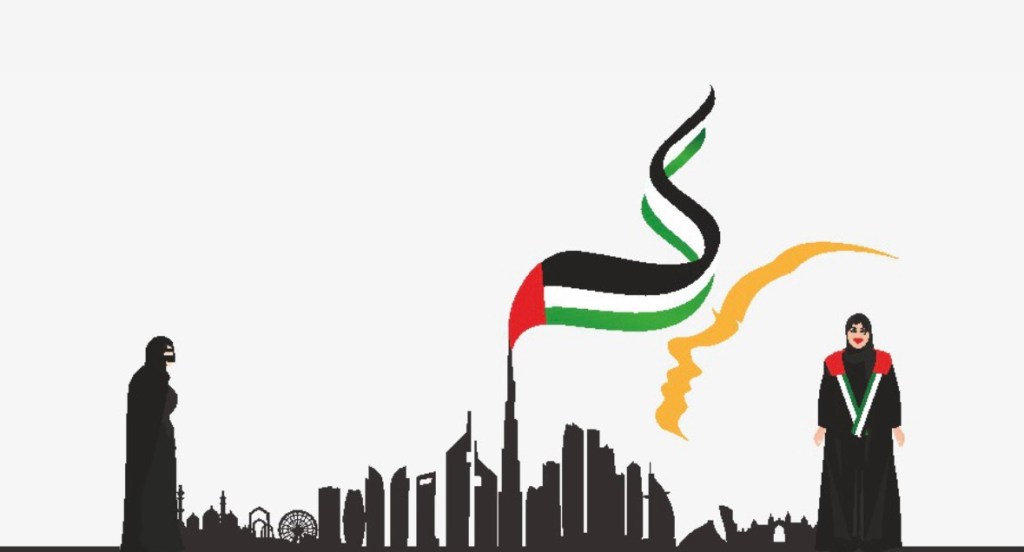
The United Arab Emirates (UAE) has become a global hub for innovation, business, and social progress, and over the past few decades, the country has made significant strides in empowering women. With strong government initiatives, increasing educational and professional opportunities, and a progressive vision for gender equality, the UAE offers women an exciting and evolving landscape to pursue their ambitions.

Whether in business, education, politics, or technology, women in the UAE are making their mark across various sectors, leveraging the unique opportunities available to them in this rapidly developing nation. In this article, we explore the various opportunities available for women in the UAE and how these possibilities are shaping their personal and professional lives.

1. Government Initiatives Supporting Women

One of the most significant drivers of women’s progress in the UAE is the government’s commitment to gender equality and women’s empowerment. The UAE’s leadership has implemented a series of national strategies aimed at improving the participation of women in all aspects of society, from the workforce to education, politics, and leadership roles.

2. Education and Scholarships for Women

The UAE places a high priority on education, especially for women. Educational reforms and investment in female talent have resulted in women outnumbering men in higher education. According to government reports, more than 70% of UAE university graduates are women, and the country continues to invest in educational initiatives that cater to their academic growth.

Several scholarships and fellowships are available for women pursuing higher education, both within the UAE and abroad. These include programs targeting STEM (Science, Technology, Engineering, and Mathematics) fields, which are critical for the UAE’s long-term development goals, especially as it transitions to a knowledge-based economy.

Institutions such as Khalifa University, Zayed University, and the Masdar Institute of Science and Technology are increasingly encouraging women to engage in scientific research, engineering, and innovation, positioning them to contribute to the UAE’s ambitions in space exploration, AI, and sustainability.

3. Women in Business and Entrepreneurship

The UAE has become a hub for female entrepreneurs, offering support networks, business incubators, and funding opportunities specifically designed for women. The rise of women-owned businesses in the UAE reflects a broader trend of female empowerment in the business world.

Women in the UAE are encouraged to start their own businesses through various initiatives such as the SheTrades MENA Hub in Dubai, which aims to connect women entrepreneurs to global markets. Additionally, the Abu Dhabi Businesswomen Council and Dubai Business Women Council offer networking, mentorship, and business development resources to support female entrepreneurship.

Another major driver of women’s economic empowerment is the access to government funding and business grants, such as those provided by Dubai SME, an agency that supports startups and SMEs in the region. These initiatives enable women to grow their businesses and tap into new markets, both locally and internationally.

4. Women in STEM and Technology

The UAE has invested heavily in science and technology sectors, and women are playing a crucial role in this transformation. From robotics and artificial intelligence to renewable energy and space exploration, the UAE provides ample opportunities for women to lead in STEM fields.

One of the most inspiring stories in this area is that of Sarah Al Amiri, who serves as the UAE’s Minister of State for Advanced Technology and Chair of the UAE Space Agency. She also played a key role in the UAE’s successful Mars mission, a historic achievement that highlighted the contributions of women to the nation’s growing space ambitions.

Additionally, tech companies in the UAE are increasingly recognizing the value of diversity and inclusion in their workforces. Programs such as “Women in Tech” and “Women in STEM” encourage female participation in tech roles and leadership positions. Women in these fields can also take advantage of government-sponsored initiatives, such as The UAE Artificial Intelligence Strategy, which aims to position the country as a leader in AI by 2031.

5. Healthcare and Well-being Initiatives for Women

Healthcare remains a key area where women in the UAE can make meaningful contributions and enjoy rewarding careers. The UAE’s robust healthcare sector is continuously expanding, offering opportunities for women in various medical fields, including nursing, research, and hospital administration.

To ensure women’s well-being, the UAE has also introduced specific healthcare initiatives designed to cater to women’s needs. For instance, the Sheikh Zayed Institute for Pediatric Surgical Innovation and the Pink Caravan Initiative, which focuses on breast cancer awareness, provide critical health services while encouraging women to enter the healthcare industry as doctors, nurses, and health advocates.

Additionally, the Mubadala Healthcare network has made significant strides in promoting women’s health through its various state-of-the-art medical facilities and research programs.

6. Women in Arts, Culture, and Media

The UAE is witnessing a flourishing cultural scene, with women at the forefront of its development. From film and media to literature, fine arts, and fashion, the UAE offers numerous platforms for creative expression.

Women in media and arts are also supported by initiatives like the Sharjah International Book Fair, which highlights female authors and intellectuals. Moreover, the UAE’s investment in creative industries, including the establishment of the Dubai Design District (d3) and Louvre Abu Dhabi, provides women with the opportunity to showcase their talents and participate in the country’s cultural evolution.

In the realm of media, female journalists, producers, and directors are increasingly shaping the UAE’s narrative on both the local and international stage. With the launch of platforms like Arab Women Media Platform and film festivals such as Dubai International Film Festival, women are finding their voices and sharing their stories with the world.

7. Women’s Rights and Gender Equality

The UAE has made significant strides in promoting women’s rights and gender equality. Over the years, various laws have been enacted to protect women in the workplace and at home, ensuring they have equal access to opportunities and legal protection.

In 2021, the UAE introduced landmark reforms in family law, employment law, and the criminal code, which improved protections for women, including the right to equal pay and enhanced parental leave benefits. These legal reforms are aimed at providing an equitable work environment and supporting the family dynamics of working women.

A Bright Future for Women in the UAE

The UAE’s ongoing efforts to support women’s empowerment and gender equality have opened up a world of opportunities for women across all sectors. From government-backed initiatives to private-sector support and educational advancements, the UAE offers a promising future for women who want to pursue their professional goals and personal dreams.

As the country continues to grow and diversify, women will remain key contributors to its success, helping to shape the UAE as a global leader in innovation, business, culture, and social progress. Through empowerment and education, women in the UAE are not only breaking barriers but also redefining the possibilities for future generations.

Women Living Alone in Dubai: Navigating Independence and Empowerment

Dubai, a dynamic metropolis known for its skyscrapers, luxury, and thriving expat community, has become a destination of choice for professionals from around the world. Among these, a growing number of women have chosen to move to Dubai and live independently, embracing both the opportunities and challenges of solo life in one of the world’s fastest-growing cities.

Living alone as a woman in Dubai can be a fulfilling experience that combines a sense of adventure with personal growth, but it also requires navigating cultural expectations, adapting to the local lifestyle, and managing practical concerns. Here’s a look at the experience of women who live alone in Dubai, the advantages it brings, and how they balance independence with cultural nuances.

1. Opportunities for Professional Growth

One of the primary reasons women move to Dubai is for career advancement. The city has emerged as a global business hub, offering high-paying jobs in industries such as finance, technology, healthcare, and media. Dubai’s tax-free salary benefits, combined with its reputation as a global business center, make it an attractive destination for women seeking professional growth.

Many women find that living alone allows them to focus on their career goals without the distractions or pressures of traditional family or social expectations. With a growing number of women occupying leadership positions and entrepreneurial roles, Dubai is becoming a place where ambitious women can thrive and define their own professional paths.

2. Safety and Security in Dubai

One of the key advantages of living alone in Dubai is the city’s reputation for being one of the safest places in the world. With low crime rates, strict law enforcement, and a well-maintained public infrastructure, women can feel secure when living independently. This sense of security is vital for those moving from countries where personal safety might be more of a concern.

In addition, Dubai’s well-developed public transport system, including the metro and buses, allows women to travel around the city with ease. Ridesharing services like Uber and Careem are widely used, providing added convenience for those who don’t own a car. The overall sense of order and safety makes solo living less daunting for women, whether they are exploring the city or commuting to work.

3. Navigating Cultural Expectations

Although Dubai is known for its cosmopolitan nature, it is important for women living alone to be aware of the cultural expectations and social norms, especially as the UAE is a Muslim-majority country with conservative values.

While Dubai is relatively liberal compared to other parts of the region, there are still rules and customs to follow, particularly around dress codes, behavior in public, and interactions with men. Women living alone must balance their independence with respect for the local culture. In public spaces, modest clothing is encouraged, and it is important to remain mindful of laws related to public conduct, especially regarding relationships and social gatherings.

Despite these cultural expectations, expat women in Dubai generally find that they are able to maintain their autonomy and lead the lives they desire. The city’s multicultural environment allows for personal expression while respecting local traditions.

4. Challenges of Living Alone

Living alone as a woman in Dubai does come with its challenges. The cost of living in the city can be high, particularly for rent, utilities, and lifestyle expenses. For women living on their own, managing these costs can be a concern, especially when factoring in luxury apartments or villas that are common in Dubai. Budgeting and finding affordable housing options become essential for women who want to enjoy a comfortable lifestyle while maintaining financial independence.

Social isolation can also be a factor. While Dubai is home to a large expat community, it can be difficult to make meaningful connections, especially for women who are new to the city. Forming friendships, finding support networks, and building a social circle take time and effort. Many women find solace in joining expat groups, engaging in fitness activities, or attending professional networking events to build relationships.

5. Embracing Independence and Empowerment

For many women, living alone in Dubai provides a rare opportunity to embrace their independence and explore personal growth. With freedom from traditional gender roles or family expectations, they can focus on personal development, hobbies, and self-discovery. Dubai offers a wealth of recreational activities, from cultural festivals and art galleries to luxurious spas and high-end shopping malls, allowing women to curate the lifestyle they desire.

In addition, the city’s commitment to gender equality and women’s empowerment in various sectors has given rise to a more inclusive atmosphere where women can pursue careers and independence without societal constraints. Numerous initiatives and organizations support women’s rights, gender equality, and female entrepreneurship, creating a supportive environment for women to thrive on their own terms.

6. Building a Support Network

While living alone has its advantages, it’s crucial to build a support network. Many women in Dubai, especially expats, seek out communities that provide friendship and solidarity. Dubai is home to several women’s groups, clubs, and professional associations that cater to the needs of women living independently. These communities offer everything from emotional support to career guidance, social events, and even workshops focused on health, well-being, and personal finance.

Joining such groups allows women to meet others in similar situations, share experiences, and find comfort in knowing they are not alone in their journey. Social media groups and platforms like Meetup have also become valuable resources for finding like-minded women and building meaningful connections.

7. Finding Work-Life Balance

One of the key aspects of living alone in Dubai is finding a healthy work-life balance. Dubai’s fast-paced lifestyle can sometimes lead to burnout, especially for career-driven individuals. However, women who live alone often have the flexibility to create routines that prioritize self-care, mental health, and leisure.

The city offers plenty of opportunities for relaxation, whether it’s taking a stroll along Jumeirah Beach, attending a yoga class, or spending a weekend at one of the luxurious desert resorts. Living solo gives women the space and time to indulge in activities that rejuvenate them, without the added responsibilities that come with family life.

A City of Opportunities and Growth

For women who live alone, Dubai represents a unique mix of opportunities and challenges. It’s a city where safety, career potential, and personal growth converge, but it’s also a place where cultural understanding and financial management are essential. Despite the occasional difficulties, many women find that living alone in Dubai allows them to grow as individuals, explore new possibilities, and create the life they’ve always wanted.

Ultimately, women living solo in Dubai are carving out spaces of independence and empowerment, redefining what it means to live on their own terms in a city that offers both luxury and personal freedom.