Critics’ Q&A: My Mother Is Among Us.

RUHIYA RAHIMOVA

Q: The title My Mother Is Among Us has sparked strong reactions. What does it actually mean?

A: The title is not a literal reference to one specific mother, nor is it an accusation directed at motherhood itself. Rather, it points to a psychological and social reality: people with narcissistic or controlling traits exist within everyday life. They are not confined to one role or gender. They can be mothers, fathers, siblings, spouses, or authority figures. The phrase “among us” emphasizes normalcy and proximity, not blame. It asks readers to recognize patterns, not target individuals.


Q: Does the novel suggest that mothers or women are inherently narcissistic or harmful?

A: Absolutely not. The novel is careful to avoid gender-based stereotyping. While the central figure is a mother, the behavior depicted is not presented as feminine, maternal, or biologically determined. Instead, it is portrayed as a learned psychological response shaped by environment, upbringing, and social conditioning. The story could be re-centered around any gender or role without changing its core message.


Q: How does the novel explain Yusriyya Alhazimi’s narcissism without excusing it?

A: The book distinguishes between understanding and justification. Yusriyya is not portrayed as evil, malicious, or intentionally destructive. Her controlling behaviour emerges from a life shaped by emotional repression, traditional expectations, and unexamined trauma. The novel contextualizes her actions within systems of upbringing and cultural oppression, while still acknowledging the harm those actions cause. Explanation is offered to deepen understanding not to absolve responsibility.


Q: Is the novel making a cultural or regional judgment?

A: No. While the story is influenced by Middle Eastern social structures, its psychological dynamics are universal. Emotional control, inherited trauma, and enmeshment appear across cultures, classes, and societies. The novel avoids reducing complex social realities into stereotypes. Instead, it uses a specific setting to explore global patterns of family psychology.


Q: Why focus on narcissism in a subtle, domestic form rather than extreme abuse?

A: Because subtle forms of emotional domination are often the most normalized and least discussed. The novel draws attention to behaviors that are frequently mistaken for care, sacrifice, or love. By avoiding extremes, the book opens space for readers to reflect without defensiveness or denial.


Q: What ethical position does the novel take toward parents shaped by oppressive traditions?

A: The novel adopts a dual ethical stance: compassion without romanticization. It recognizes that many parents were themselves raised under restrictive systems that limited emotional expression and autonomy. At the same time, it affirms that inherited pain does not justify perpetuating harm. The book encourages awareness, not condemnation.


Q: Is this book intended to provoke confrontation or healing?

A: The novel’s aim is clarity, not conflict. It does not urge readers to accuse or confront family members. Instead, it invites introspection understanding where emotional patterns come from and how they can be consciously interrupted. Healing, in this context, begins with recognition.


Q: What misconception do critics most often bring to this novel?

A: The assumption that identifying harmful behavior equals assigning moral blame. My Mother Is Among Us challenges this binary thinking. It suggests that people can be both shaped by harm and responsible for how they pass it on.


Q: How should readers approach this book to avoid misinterpretation?

A: As a psychological exploration rather than a moral indictment. Readers are encouraged to read with nuance, resisting the urge to label characters as villains or victims. The novel is less about judgment and more about understanding how emotional systems reproduce themselves across generations.


Q: In one sentence, what is the novel ultimately saying?

A: My Mother Is Among Us argues that emotionally controlling patterns are learned, socially reinforced, and widely shared and that recognizing them with clarity and compassion is the first step toward change.

Q: Why does the novel focus on subtle emotional control rather than explicit abuse?

A: Because subtle dynamics are often the most normalized and therefore the least examined. The novel draws attention to emotional harm that occurs without visible violence or intention. This allows readers to reflect without defensiveness and recognize patterns that are socially protected or misunderstood as love.


Q: Is the book meant to provoke confrontation within families?

A: No. The novel does not advocate accusation, exposure, or rupture. Its primary aim is awareness. By giving language to unnamed emotional experiences, it allows readers to understand themselves rather than blame others. Any response distance, dialogue, or reconciliation is left to the reader’s discretion.

Q: In one carefully framed sentence, what is the novel saying?

A: My Mother Is Among Us explores how emotionally controlling behaviours are learned, normalized, and transmitted across generations and how understanding their origins can interrupt their continuation without resorting to blame.

The Story Behind the Stories: The Journey of Ruhiya Rahimova

Ruhiya Rahimova is a writer based in the United Arab Emirates, whose work bridges emotion, psychology, and storytelling. Her journey as a writer began with a simple question that continues to define her creative path: “Why do people do what they do?”

This deep curiosity about human nature and emotional truth has guided every story she tells whether it is a heartfelt novel or a poetic children’s book.

Early Life and Education

Ruhiya studied at the American University in the Emirates, where she developed a profound interest in psychology, literature, and cultural identity. Her years in the UAE, an environment rich in diversity and global encounters shaped her worldview and her voice as a writer.

Living in Dubai allowed her to see how people from different walks of life experience love, loss, hope, and resilience in unique ways. This daily exposure to real human emotions later became the foundation of her storytelling style: honest, introspective, and deeply human.

Career and Inspiration

Before dedicating herself fully to writing, Ruhiya worked in the aviation industry, where she met people from every corner of the world. Each encounter became a quiet study of personality, emotion, and behavior a living classroom of psychology and empathy.

Through her career and her curiosity, she learned that every person carries an untold story, and it is through writing that she seeks to uncover these hidden layers of the human soul.

Her Debut Novel My Mother Is Among Us

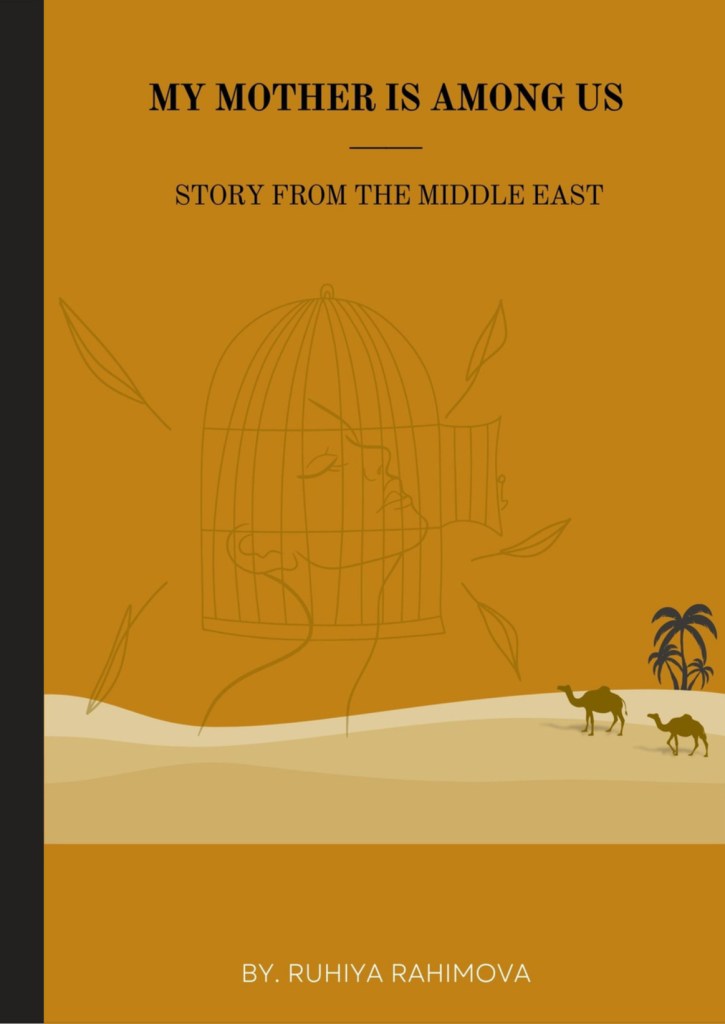
Ruhiya’s first novel, My Mother Is Among Us – Story from the Middle East, is a deeply emotional and psychological exploration of family bonds, generational wounds, and resilience.

Set against the backdrop of Middle Eastern culture and emotional struggle, the book delves into the darkness hidden behind love, silence, and tradition.

It reveals how unspoken pain passes through generations and how truth and compassion can transform that pain into healing.

At its heart, My mother is among us is not just a family story, but a mirror to the reader’s own search for meaning, forgiveness, and belonging.

📘 Where to Find the Book:

Amazon: My mother is among us

Her Second Book Your Emirati ABC

In contrast to the emotional weight of her first novel, Ruhiya’s second book, Your Emirati ABC, celebrates language, creativity, and culture.

It is a beautifully illustrated children’s book that introduces readers to Emirati culture through the alphabet each letter revealing a word, a tradition, or a story unique to the UAE.

The book reflects Ruhiya’s admiration for the country that shaped her education, career, and artistic voice. It stands as a bridge between learning and culture, teaching children that every word carries history and heart.

📘 Where to Find the Book:

Amazon: Your Emirati ABC on Amazon 

Official Blog: ruhiya2.art.blog (includes download and preview options)

Life and Vision in the UAE

Ruhiya’s years in the United Arab Emirates have been the most transformative of her life. It is where she studied, worked, wrote, and discovered her purpose as a storyteller.

Dubai, in particular, gave her not only opportunities but perspective the sense that every person is a world of experiences waiting to be understood.

Her writing continues to be inspired by this environment: modern, diverse, yet rooted in tradition. Through her words, she invites readers to pause, reflect, and look deeper into what makes us human.

Ruhiya Rahimova Today

Today, Ruhiya continues to write stories that blend psychology, emotion, and cultural reflection. She believes that storytelling is a form of healing both for the writer and the reader.

Her mission is to build bridges through words and to remind people that every emotion, no matter how dark or tender, holds the seed of connection.

📍 Currently Based: Dubai, United Arab Emirates

🌐 Official Website: ruhiya2.art.blog

📸 Instagram: @ruhiya_scripts

My mother is among us

My book is available on amazon https://a.co/d/3uzNQIv. https://a.co/d/3uzNQIv

The novel’s tragic conclusion reflects the dangers of unchecked familial control and emotional manipulation. Hanan, despite her talent and strength, was never truly free. Her life, filled with unfulfilled dreams and silent suffering, is ultimately consumed by the very force she longed to escape. My mother is among us is a deeply emotional and psychologically rich novel that delves into themes of toxic love, control, and the devastating consequences of never breaking free. It is a cautionary tale about the invisible chains that bind many, leaving them trapped in cycles of manipulation and sacrifice, often without realizing it until it is too late.

“From Ashes to Armor: A Journey of Survival and Triumph”

There once was a girl named Mira, who believed in love and the safety that came with it. She grew up surrounded by promises, whispers of forever, and the assurance that those who loved her would never leave. Life, she thought, would always be a shared burden, where sorrows were halved and joys were doubled. But she didn’t know then how cruel life could be, how quickly the people you trust could vanish, leaving you alone to face a storm you never asked for.

Mira’s world began to crumble the day her father left. He didn’t say much, just walked out with a suitcase, leaving behind a letter filled with excuses she was too young to understand. Her mother fell into a dark, bottomless depression, and before long, she too disappeared into her own world, one of silence and neglect. Friends who had been close stopped reaching out, uncomfortable with the heaviness that seemed to follow her everywhere. One by one, the people Mira relied on fell away, leaving her to survive on her own.

The years that followed were a blur of pain. Each day was a struggle, each night a battle against the crushing loneliness that swallowed her whole. Mira became a shadow of the girl she once was, hollowed out and empty. She tried to carry the weight of it all, but it was too much, and soon the thoughts crept in dark, insidious thoughts that whispered how easy it would be to let go, to stop fighting, to simply end the suffering.

Many nights, she stood at the edge, wondering if anyone would notice if she disappeared completely. There were moments when she came close, when the pain seemed unbearable, and the world felt too heavy for her to hold any longer. The idea of death, of an end to the constant ache, became almost comforting. She would lie awake, imagining the peace it might bring an escape from the endless cycle of abandonment, failure, and heartache.

But something deep inside her wouldn’t let her fall. It wasn’t hope; she had long since lost that. It was anger, raw and fierce, that began to burn in her chest. She started to ask herself why she should be the one to disappear, why she should be the one to give up. The people who left her, the world that had been so cruel, why should they win? Why should they be free from the sight of her rising?

The more she thought about it, the more she realized that dying would be the easy way out too easy. If she gave up, no one would ever know her story, her pain, or her strength. She wanted them to see her, to remember her. She wanted them to regret leaving her behind. And so, she made a decision: she wouldn’t die, not yet. She would survive. And not just survive she would succeed.

The journey wasn’t smooth. Mira clawed her way up from the darkness, one excruciating step at a time. She fought against the voices in her head that told her she wasn’t enough, that she would never escape the shadows of her past. But now, there was a fire inside her, a determination that grew stronger with every day she stayed alive. She worked harder than she ever thought possible, pushing herself to the breaking point, refusing to let the world defeat her.

She had nothing to lose, and that made her unstoppable.

Years passed, and slowly, Mira began to transform. She became someone others noticed, someone who couldn’t be ignored. She built a life for herself out of the ruins of her past, using the pain that had once almost destroyed her as fuel for her success. She became the woman she had once dreamed of being strong, independent, and unbreakable. People who had abandoned her began to notice, began to wonder how she had risen from the ashes they had left her in.

And that was her revenge success. It wasn’t about proving anything to others, not anymore. It was about proving something to herself, about reclaiming the power she had once thought was lost. She didn’t need their apologies, didn’t need their approval. She only needed to know that she had won, that she had survived the storm and come out stronger on the other side.

There were still moments, quiet moments late at night, when the memories would creep back in of the girl she once was, of the nights she had nearly given up. But now, instead of sadness, those memories brought a kind of pride. She had walked through the fire and emerged as someone no one could tear down again.

Mira learned, as the years passed, that life wasn’t about waiting for people to save you or holding on to the hope that they would never leave. It was about becoming your own hero, about standing tall in a world that tried to break you. And that, she realized, was the greatest revenge of all not living to die, but living to show the world just how powerful she could be.

Choosing Not to Have Children: A Personal and Thoughtful Decision

The decision not to have children is one that has become increasingly common in today’s world, yet it remains a topic often surrounded by misunderstanding and judgment. For many, the idea of not wanting children is difficult to grasp, particularly in cultures where parenthood is seen as a natural or expected milestone in life. However, the choice to remain child-free is deeply personal, thoughtful, and valid. It’s a decision that reflects a wide variety of values, concerns, and desires.

Breaking Away from Tradition

For centuries, having children was considered a cornerstone of adult life, particularly for women. Cultural and religious traditions often tie a person’s worth and fulfillment to their ability to raise a family. But in modern times, many individuals are questioning these long-held beliefs, recognizing that happiness and purpose can be found in many different paths.

Choosing not to have children often means challenging societal expectations. Many people who make this choice face pressure from family members, friends, or even strangers who question their decision. There is often an assumption that they will eventually change their minds or that they are somehow missing out on a critical aspect of life. However, the decision not to have children isn’t about missing out, it’s about intentionally choosing a life that aligns with one’s values and goals.

A Reflection of Personal Values

People choose not to have children for a wide variety of reasons, and each one is deeply personal. For some, the environmental and ethical concerns of bringing more children into an already overpopulated world weigh heavily. They may feel a sense of responsibility to the planet and prefer to live a more sustainable lifestyle without contributing to population growth.

Others may prioritize personal freedom and career ambitions. Raising children is a full-time commitment that requires significant emotional, physical, and financial resources. Many people feel that they can live a more fulfilled life without these responsibilities, pursuing passions, travel, creative endeavors, or work that wouldn’t be possible if they were parents.

Mental health and personal well-being also play a role in this decision. Some people may have had difficult childhood experiences or struggles with mental health that lead them to decide that they are not equipped or ready to take on the challenges of parenthood. Recognizing one’s limitations and needs is a form of self-awareness that allows people to make the best decisions for themselves.

The Fear of Regret

One of the most common criticisms faced by those who don’t want children is the fear of future regret. Many people are warned that they will change their minds later in life or feel unfulfilled without the experience of raising children. While it’s true that some people might reconsider their choices, many child-free individuals report feeling content with their decision, even into their older years.

The fear of regret, however, is not unique to the decision of having children. Life is full of choices whether it’s the career we pursue, the relationships we invest in, or where we live and each decision carries the potential for second-guessing. Those who choose not to have children often weigh the pros and cons of their decision carefully, just as parents do, recognizing that all choices in life carry some uncertainty.

Freedom, Fulfillment, and Identity

For many people, the decision not to have children provides a sense of freedom that allows them to live life on their own terms. This doesn’t mean that those without children are selfish, as is sometimes assumed. Rather, it means that they are choosing to focus on the things that bring them personal fulfillment, which can vary widely from person to person.

Not wanting children is also about identity. Parenthood can be a beautiful and enriching experience, but it is not the only way to define oneself. People who choose to remain child-free may invest their energy into relationships, work, art, philanthropy, or personal growth. Their contributions to society and the world are no less valuable than those of parents, and their legacies are just as meaningful.

A Respectful Conversation

In an ideal world, the decision to have or not have children would be met with respect and understanding. Every person’s life path is unique, and what brings one person joy may not be the same for another. Choosing not to have children is a legitimate choice, one that requires reflection and courage, particularly in a world where parenthood is often seen as the norm.

Ultimately, the decision not to have children is a personal one, and it should be approached with the same level of respect and care that we afford any other life choice. It’s a decision that reflects the diversity of human experience and the many different ways we can live fulfilling, meaningful lives.

Opportunities for Women in the UAE 🇦🇪: A Pathway to Empowerment and Growth

The United Arab Emirates (UAE) has become a global hub for innovation, business, and social progress, and over the past few decades, the country has made significant strides in empowering women. With strong government initiatives, increasing educational and professional opportunities, and a progressive vision for gender equality, the UAE offers women an exciting and evolving landscape to pursue their ambitions.

Whether in business, education, politics, or technology, women in the UAE are making their mark across various sectors, leveraging the unique opportunities available to them in this rapidly developing nation. In this article, we explore the various opportunities available for women in the UAE and how these possibilities are shaping their personal and professional lives.

1. Government Initiatives Supporting Women

One of the most significant drivers of women’s progress in the UAE is the government’s commitment to gender equality and women’s empowerment. The UAE’s leadership has implemented a series of national strategies aimed at improving the participation of women in all aspects of society, from the workforce to education, politics, and leadership roles.

2. Education and Scholarships for Women

The UAE places a high priority on education, especially for women. Educational reforms and investment in female talent have resulted in women outnumbering men in higher education. According to government reports, more than 70% of UAE university graduates are women, and the country continues to invest in educational initiatives that cater to their academic growth.

Several scholarships and fellowships are available for women pursuing higher education, both within the UAE and abroad. These include programs targeting STEM (Science, Technology, Engineering, and Mathematics) fields, which are critical for the UAE’s long-term development goals, especially as it transitions to a knowledge-based economy.

Institutions such as Khalifa University, Zayed University, and the Masdar Institute of Science and Technology are increasingly encouraging women to engage in scientific research, engineering, and innovation, positioning them to contribute to the UAE’s ambitions in space exploration, AI, and sustainability.

3. Women in Business and Entrepreneurship

The UAE has become a hub for female entrepreneurs, offering support networks, business incubators, and funding opportunities specifically designed for women. The rise of women-owned businesses in the UAE reflects a broader trend of female empowerment in the business world.

Women in the UAE are encouraged to start their own businesses through various initiatives such as the SheTrades MENA Hub in Dubai, which aims to connect women entrepreneurs to global markets. Additionally, the Abu Dhabi Businesswomen Council and Dubai Business Women Council offer networking, mentorship, and business development resources to support female entrepreneurship.

Another major driver of women’s economic empowerment is the access to government funding and business grants, such as those provided by Dubai SME, an agency that supports startups and SMEs in the region. These initiatives enable women to grow their businesses and tap into new markets, both locally and internationally.

4. Women in STEM and Technology

The UAE has invested heavily in science and technology sectors, and women are playing a crucial role in this transformation. From robotics and artificial intelligence to renewable energy and space exploration, the UAE provides ample opportunities for women to lead in STEM fields.

One of the most inspiring stories in this area is that of Sarah Al Amiri, who serves as the UAE’s Minister of State for Advanced Technology and Chair of the UAE Space Agency. She also played a key role in the UAE’s successful Mars mission, a historic achievement that highlighted the contributions of women to the nation’s growing space ambitions.

Additionally, tech companies in the UAE are increasingly recognizing the value of diversity and inclusion in their workforces. Programs such as “Women in Tech” and “Women in STEM” encourage female participation in tech roles and leadership positions. Women in these fields can also take advantage of government-sponsored initiatives, such as The UAE Artificial Intelligence Strategy, which aims to position the country as a leader in AI by 2031.

5. Healthcare and Well-being Initiatives for Women

Healthcare remains a key area where women in the UAE can make meaningful contributions and enjoy rewarding careers. The UAE’s robust healthcare sector is continuously expanding, offering opportunities for women in various medical fields, including nursing, research, and hospital administration.

To ensure women’s well-being, the UAE has also introduced specific healthcare initiatives designed to cater to women’s needs. For instance, the Sheikh Zayed Institute for Pediatric Surgical Innovation and the Pink Caravan Initiative, which focuses on breast cancer awareness, provide critical health services while encouraging women to enter the healthcare industry as doctors, nurses, and health advocates.

Additionally, the Mubadala Healthcare network has made significant strides in promoting women’s health through its various state-of-the-art medical facilities and research programs.

6. Women in Arts, Culture, and Media

The UAE is witnessing a flourishing cultural scene, with women at the forefront of its development. From film and media to literature, fine arts, and fashion, the UAE offers numerous platforms for creative expression.

Women in media and arts are also supported by initiatives like the Sharjah International Book Fair, which highlights female authors and intellectuals. Moreover, the UAE’s investment in creative industries, including the establishment of the Dubai Design District (d3) and Louvre Abu Dhabi, provides women with the opportunity to showcase their talents and participate in the country’s cultural evolution.

In the realm of media, female journalists, producers, and directors are increasingly shaping the UAE’s narrative on both the local and international stage. With the launch of platforms like Arab Women Media Platform and film festivals such as Dubai International Film Festival, women are finding their voices and sharing their stories with the world.

7. Women’s Rights and Gender Equality

The UAE has made significant strides in promoting women’s rights and gender equality. Over the years, various laws have been enacted to protect women in the workplace and at home, ensuring they have equal access to opportunities and legal protection.

In 2021, the UAE introduced landmark reforms in family law, employment law, and the criminal code, which improved protections for women, including the right to equal pay and enhanced parental leave benefits. These legal reforms are aimed at providing an equitable work environment and supporting the family dynamics of working women.

A Bright Future for Women in the UAE

The UAE’s ongoing efforts to support women’s empowerment and gender equality have opened up a world of opportunities for women across all sectors. From government-backed initiatives to private-sector support and educational advancements, the UAE offers a promising future for women who want to pursue their professional goals and personal dreams.

As the country continues to grow and diversify, women will remain key contributors to its success, helping to shape the UAE as a global leader in innovation, business, culture, and social progress. Through empowerment and education, women in the UAE are not only breaking barriers but also redefining the possibilities for future generations.

Avoiding Waterproof and Long-Lasting Mascaras for Dry Eyes: Why It Matters

People with dry eyes often face discomfort in their daily routines, particularly when it comes to using eye makeup. Mascara, a beauty staple, can sometimes exacerbate the symptoms of dry eyes, especially when it’s waterproof or long-lasting. Though these mascaras offer a dramatic, smudge-proof look, they may cause more harm than good for those with sensitive, dry eyes. Here’s why avoiding waterproof and long-lasting mascaras is essential if you struggle with dry eyes.

  1. Waterproof and Long-Lasting Formulas Are Hard to Remove

Waterproof and long-lasting mascaras are designed to be resistant to water, sweat, and tears. While this makes them perfect for long wear, it also means that removing them requires more effort. Often, you’ll need to use strong, oil-based makeup removers and repeatedly rub your eyes to get all the mascara off. For those with dry eyes, this can lead to irritation and worsen dryness, as the fragile skin around the eyes is already prone to dryness and sensitivity.

  1. Harsh Ingredients and Additives

Many waterproof mascaras contain ingredients like silicones, parabens, and other drying agents to achieve their water-resistant properties. These can strip the natural oils from your lashes and even dehydrate the delicate area around the eyes, leading to further irritation for those already dealing with dryness.

  1. Clogging the Meibomian Glands

The meibomian glands in the eyelids produce an essential oily layer that helps prevent tears from evaporating too quickly. When waterproof mascara and other long-lasting products are used, they may clog these glands, worsening dry eye symptoms. Long-wear formulas may also lead to a buildup of product on your lashes, which can accumulate near the base of your eyelids and block these glands over time.

  1. Tear Film Disruption

Dry eyes are often the result of an unstable tear film, which leads to insufficient moisture in the eyes. Waterproof mascaras may contribute to this by creating a barrier that affects the natural tear flow. The thick, waxy layers in these mascaras can interfere with the proper movement of tears across the surface of your eyes, making dryness worse throughout the day.

  1. Increased Sensitivity and Discomfort

For individuals with dry eyes, rubbing and tugging at the lashes can cause significant discomfort. Using waterproof mascaras often leads to the need for more rigorous cleansing techniques. This can lead to inflammation, redness, and further dryness, especially in those who are already sensitive to environmental factors such as wind or air conditioning.

Alternatives for People with Dry Eyes

While waterproof and long-lasting mascaras may not be ideal for those with dry eyes, there are gentler alternatives available:

If you have dry eyes, it’s essential to prioritize your eye health when choosing makeup products. Avoiding waterproof and long-lasting mascaras can help minimize irritation, protect the delicate area around your eyes, and ensure that your tear film remains stable. Instead, seek out gentler, hydrating options to enhance your lashes without causing further discomfort to your dry eyes.

What Happens to Those Who Knows the Sun?

Plato, in his famous allegory of the cave, illustrates a profound truth about human nature and the resistance to enlightenment. The statement, “Plato knew what the cave inhabitants can do to those who claim to know the Sun,” encapsulates the deeper theme of this allegory: the difficulty and danger faced by those who seek and share higher truths in a world dominated by ignorance.

The Allegory of the Cave: A Brief Overview

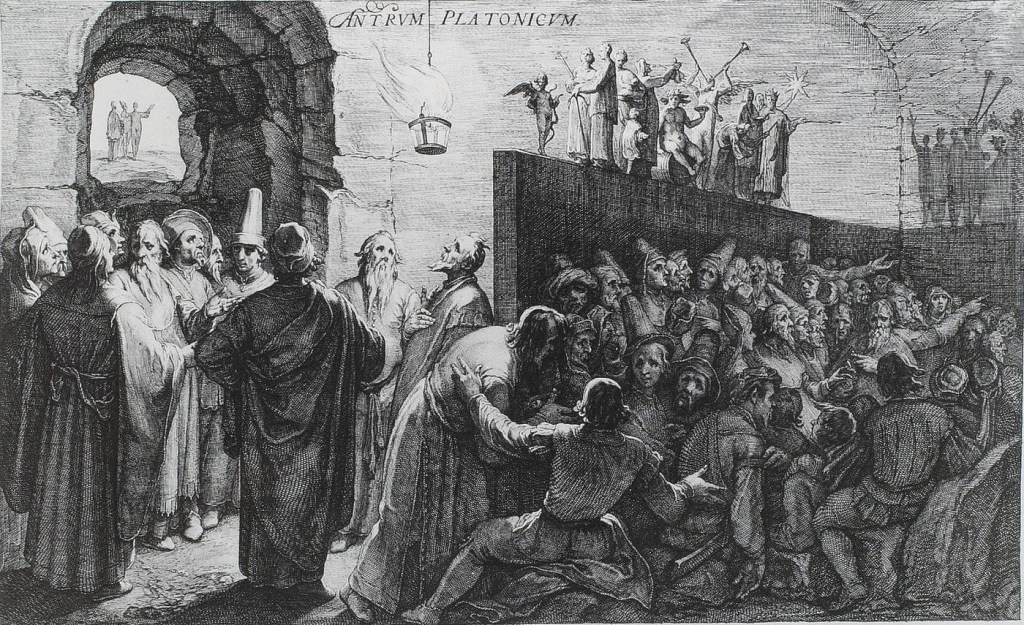
In The Republic, Plato describes a group of people who have lived their entire lives chained inside a dark cave, facing a blank wall. Behind them, a fire burns, and objects are moved in front of it, casting shadows on the wall. These shadows are all the cave inhabitants have ever known, and to them, the shadows are reality.

One day, a prisoner is freed and dragged out of the cave. For the first time, he sees the world as it truly is: filled with light, color, and the sun. The freed prisoner realizes that the shadows were mere illusions, pale imitations of reality. Eventually, he returns to the cave to share his newfound understanding, only to be met with hostility and disbelief by the others still chained inside. They cannot comprehend or accept that the shadows they’ve known all their lives are not real.

The Sun: A Symbol of Higher Knowledge

In the allegory, the Sun represents the ultimate truth, the highest form of knowledge, or the Form of the Good in Plato’s philosophy. It symbolizes enlightenment, wisdom, and the realization of the true nature of reality beyond appearances and illusions.

For Plato, those who have seen the Sun those who have attained wisdom and understanding hold a responsibility to guide others toward the light. However, this is not an easy task. The inhabitants of the cave, who are accustomed to the shadows, are not only resistant to the truth but also hostile to anyone who threatens their worldview. Plato understood that those who have seen the light, the Sun, are often rejected, mocked, or even persecuted by those who remain in ignorance.

Resistance to Change: The Cave Inhabitants

Plato’s allegory reveals the deep psychological and social resistance people have to questioning their beliefs and the realities they are comfortable with. The cave inhabitants are metaphorically bound by their chains of ignorance, and their perception of reality is limited to the shadows on the wall. When someone like the freed prisoner returns to tell them about the Sun, they don’t want to hear it.

For the cave dwellers, the idea that everything they know is a mere shadow of the truth is unsettling, even threatening. Their entire understanding of the world is built on those shadows, and to acknowledge the Sun’s existence means confronting the fact that they have lived their lives in ignorance. This is not just an intellectual challenge but an emotional one. Humans often resist change, especially when it challenges their long-held beliefs or comforts.

What Happens to Those Who “Know the Sun”?

Plato knew well the danger posed to those who seek to bring enlightenment to others. Throughout history, those who challenge established beliefs or try to introduce new ways of thinking have often been met with fierce opposition. Socrates, Plato’s teacher, was condemned to death for challenging the moral and intellectual status quo in Athens. His fate mirrors that of the freed prisoner in the cave who returns to enlighten his fellow prisoners only to face ridicule or violence.

Those who claim to know the Sun philosophers, visionaries, scientists, or anyone challenging the status quo often find themselves in a precarious position. Their knowledge and insight are not welcomed but viewed as a threat. Whether it’s religious prophets, scientific pioneers like Galileo, or social reformers, history is replete with examples of individuals who were persecuted for their attempts to reveal a deeper truth.

Why the Resistance?

The cave inhabitants’ reaction to the Sun can be understood through several lenses:

1. Fear of the Unknown: Accepting that the shadows are not the whole of reality means confronting the unknown, which is inherently frightening. For the cave dwellers, the world they know is safe and familiar. The idea of stepping outside the cave into the blinding light of the Sun is overwhelming.

2. Cognitive Dissonance: The freed prisoner’s revelations create a cognitive dissonance in the minds of the cave dwellers. They cannot reconcile their deeply held beliefs with this new information. Rather than confront the difficult truth, they reject it and cling to what they know.

3. Threat to Power and Control: In many cases, those who maintain the status quo benefit from the ignorance of others. Those in power may resist enlightenment because it threatens their position. Plato, in his critique of the political and social systems of his time, understood that leaders and rulers may not want their citizens to attain knowledge that could empower them.

The Modern Cave

Plato’s allegory of the cave is timeless, and its relevance extends beyond ancient philosophy. Today, we live in a world where people still cling to their own “caves” of limited knowledge, ideological bubbles, and preconceived notions. Whether it’s in the realm of politics, science, or social issues, people often resist new ideas that challenge their established worldviews.

In this sense, the allegory serves as a warning and a call to action. It reminds us that enlightenment is not easy, and the path to truth is fraught with resistance. Those who seek to bring light into the cave will always face opposition, but the pursuit of truth remains a noble and necessary endeavor.

Plato’s Wisdom

Plato knew all too well the fate of those who “claim to know the Sun.” The philosopher, the seeker of truth, or the individual who has attained wisdom will often be met with disbelief, ridicule, or hostility when they try to share their insights with others. The cave inhabitants, comfortable in their ignorance, will resist the message because it threatens their understanding of reality.

Yet, Plato also believed that it is the duty of those who have seen the light to return to the cave, even at the risk of personal danger. The pursuit of truth and wisdom, while perilous, is the highest calling. It is only through this willingness to challenge the shadows and seek the light that humanity can progress, both individually and collectively.